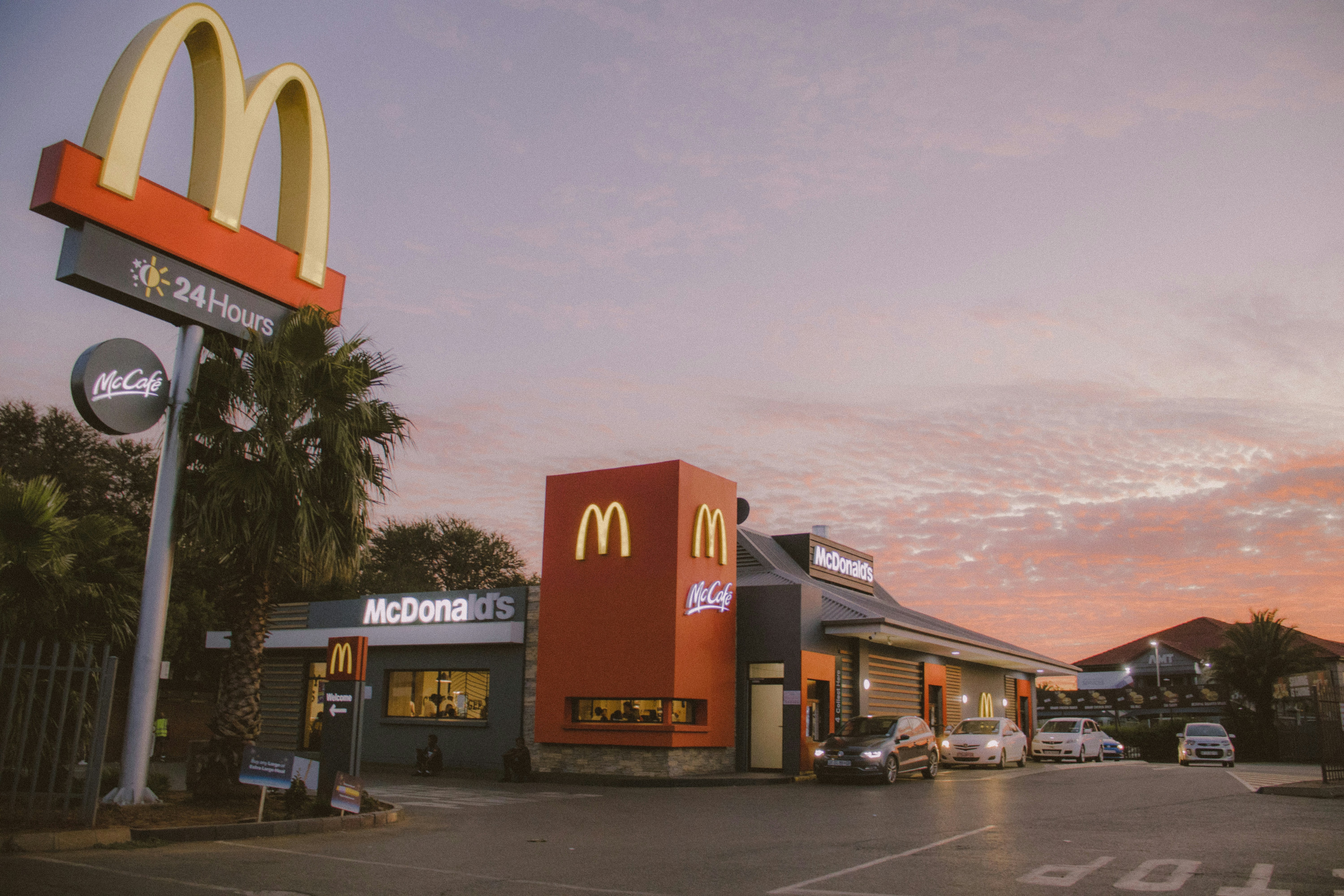



The QSR Construction Boom: What’s Driving Growth in 2026
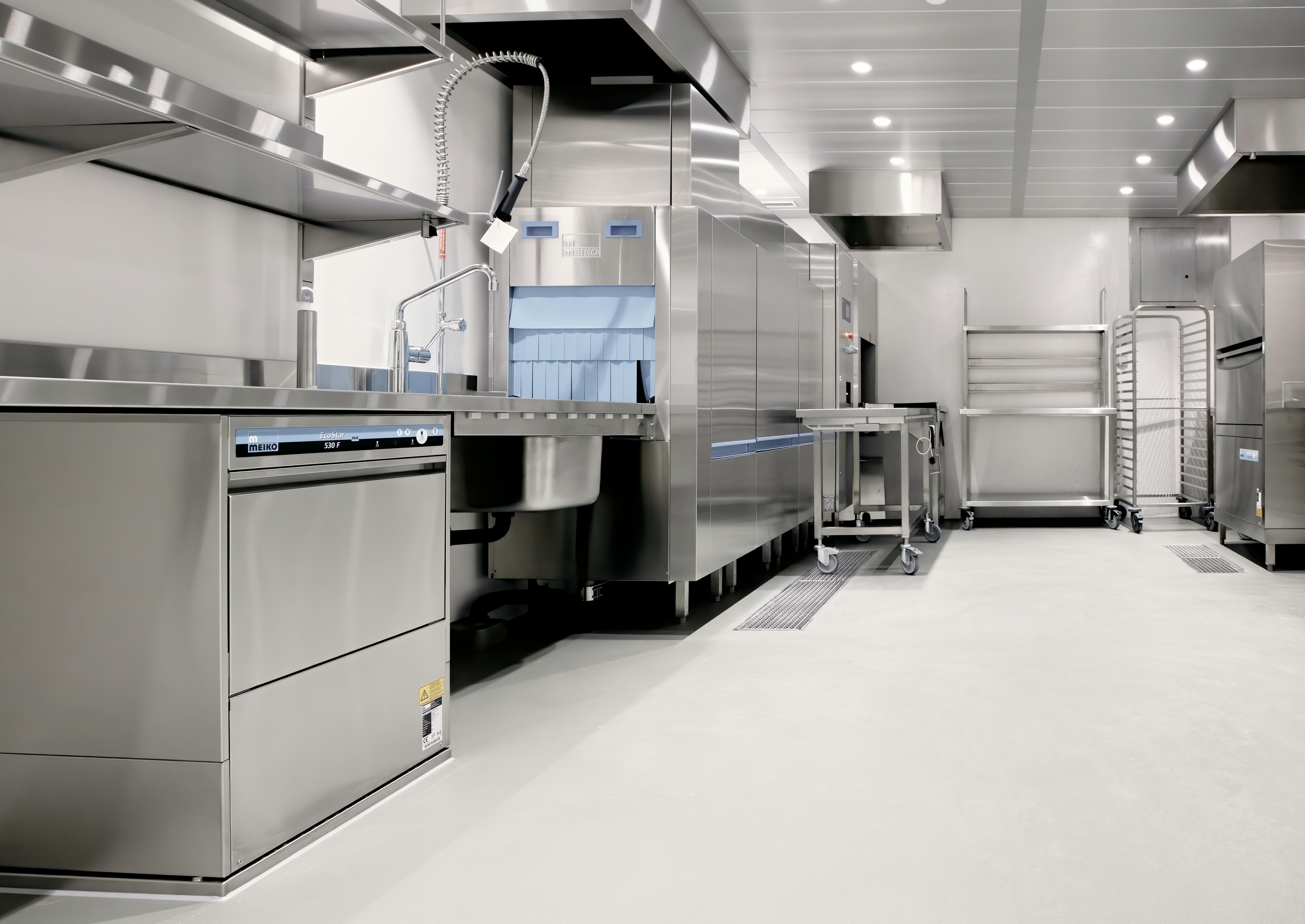
Trends in quick-service restaurant expansion across Canada, new formats, and what operators should consider when planning builds.
MetronCS delivers exceptional construction services across Retail, Restaurant, QSR, and Commercial Sectors. From preconstruction to project completion, we bring innovation and integrity to every build.
Comprehensive construction solutions tailored to meet the unique demands of every project, from initial concept through final delivery.
Strategic planning, budgeting, scheduling, and value engineering to set every project up for success from day one.
Learn More →Full-service general contracting for ground-up builds, from small tenant improvements to large-scale commercial developments.
Learn More →Expert oversight and coordination ensuring projects are delivered on time, on budget, and to the highest quality standards.
Learn More →Breathing new life into existing structures through thoughtful renovation, seismic upgrades, and facility modernization.
Learn More →Industry-leading safety programs and rigorous quality assurance processes that protect people and deliver exceptional results.
Learn More →Leveraging cutting-edge technology including BIM, virtual walkthroughs, and AI-driven project tracking to deliver smarter, faster restaurant builds.
Learn More →Scheduled inspection and maintenance programs for commercial kitchen equipment, ensuring peak performance, regulatory compliance, and extended asset life.
Learn More →End-to-end kitchen solutions including equipment installation, ventilation systems, plumbing, electrical, and full kitchen build-outs for restaurant and QSR operations.
Learn More →Deep expertise across diverse market sectors, delivering specialized construction solutions that meet the unique requirements of each industry.
A selection of our most impactful projects showcasing our capabilities across diverse markets.
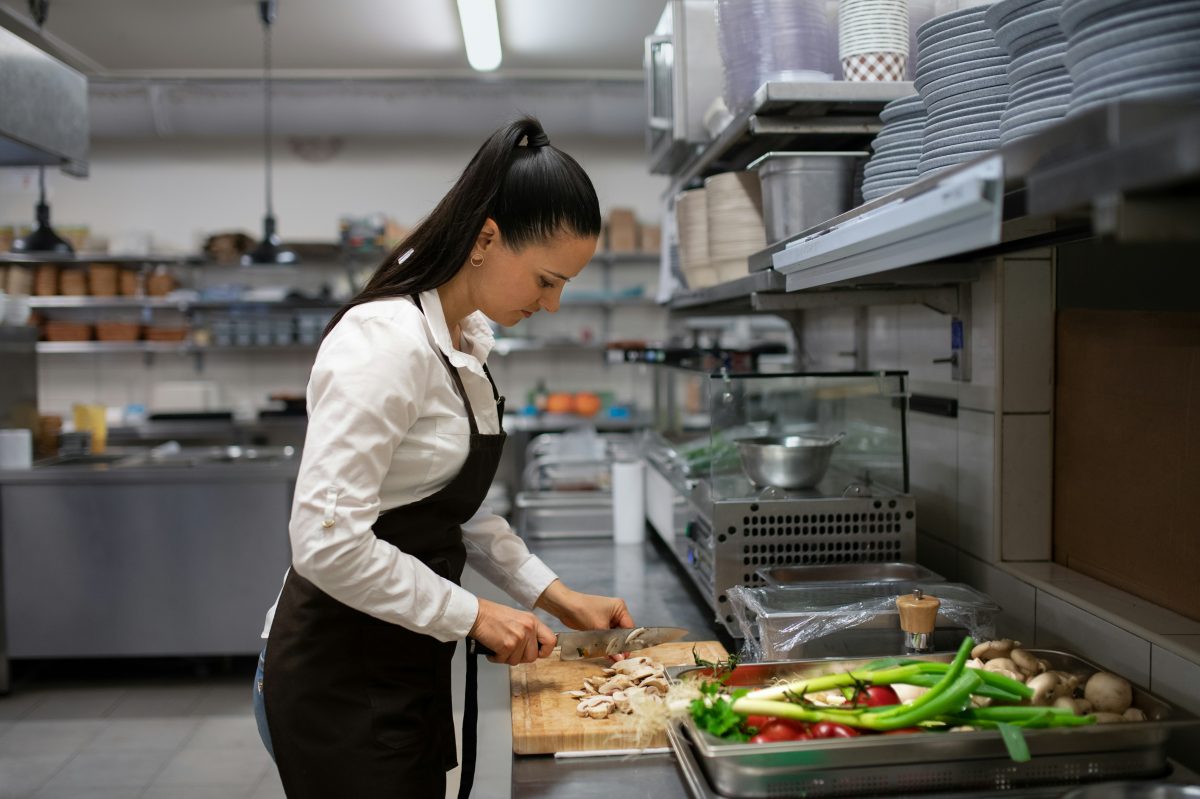
Nationwide kitchen upgrades across all locations, outfitting each with new equipment for a national food program.
A full-service fine dining build-out with custom kitchen and bar design.
Multi-location QSR rollout with streamlined kitchen operations and drive-thru systems.
Building lasting relationships through exceptional service and outstanding results.
MetronCS delivered our retail expansion on time and under budget. Their attention to detail and understanding of retail construction requirements was exceptional.
The team at MetronCS brought innovative solutions to every challenge we faced. Their preconstruction work saved us significant time and resources throughout the project.
Let's discuss your next project. Our team is ready to bring your vision to life with precision, innovation, and integrity.
Stay informed about our latest projects, industry insights, and company updates.
MetronCS was founded on the principle that commercial construction should be more than just building spaces—it should be about helping businesses thrive. From kitchen builds that maximize operational efficiency to retail environments that elevate the customer experience, every project we deliver is designed to create real, measurable value for our clients.
With over 10 years of experience and more than 500 completed projects, we have grown from a regional contractor into a trusted national partner for some of the most recognized brands in the Retail, Restaurant, QSR, and Commercial sectors.
Today, MetronCS operates from our headquarters in Mississauga, Ontario, delivering end-to-end construction services—from preconstruction planning and general contracting to kitchen services and preventative maintenance—across Canada.
To deliver end-to-end commercial construction, kitchen, and maintenance solutions across the Retail, Restaurant, QSR, and Commercial sectors—exceeding client expectations through innovative building practices, preventative care, and an unwavering commitment to safety, quality, and long-term partnership.
To be the most trusted commercial construction and kitchen services partner in Canada—recognized for delivering reliable, high-quality results across the Retail, Restaurant, QSR, and Commercial sectors, and for building lasting relationships that extend well beyond project completion.
In everything we build, these principles guide every decision, every project, and every relationship.
Deliver the highest quality of work, provide the best service, and constantly improve everything we do. The best project is one that’s built safely, finished on time, done right the first time, and built to last. We hold ourselves to a standard where every detail matters—because our clients’ businesses depend on it.
Safety isn’t a policy—it’s a value that defines who we are. Every worker goes home safe, every day, on every project. We invest in training, technology, and a culture where anyone can stop work if something doesn’t feel right. No schedule, no budget, and no deadline is worth compromising the well-being of the people who build alongside us.
Examine our practices openly and honestly, learn from our mistakes, and meet our commitments. We value integrity in both senses: that our actions match our words, and that every part of our work—from preconstruction through closeout—contributes to a result greater than the sum of its parts. If we say it, we do it.
Our success lies in finding new and better ways to deliver. From BIM and drone technology to prefabrication and AI-driven project management, we embrace innovation that creates real value—not for the sake of novelty, but because our clients deserve construction practices that are as forward-thinking as the businesses we build for.
Great projects are built by great teams. We foster a culture of collaboration, mutual respect, and shared ownership—where every superintendent, project manager, trade partner, and client representative has a voice. We believe the strongest partnerships are forged when everyone at the table is working toward the same outcome.
Every building we construct exists within a community. We are committed to sustainable building practices, responsible material sourcing, and minimizing our environmental footprint—not because it’s expected, but because it’s the right thing to do. The spaces we build should make a positive difference long after we’ve handed over the keys.
MetronCS offers a full spectrum of commercial services designed to deliver exceptional results.
Our preconstruction team works alongside clients from the earliest stages to provide strategic planning, accurate budgeting, scheduling, and value engineering.
As a full-service general contractor, MetronCS has the experience and resources to manage projects of any size and complexity.
Our construction management services provide expert oversight throughout the entire project lifecycle.
MetronCS specializes in transforming existing facilities through thoughtful renovation, adaptive reuse, and modernization.
Safety is our highest priority. Our comprehensive safety program goes beyond compliance to create a culture of awareness.
MetronCS embraces cutting-edge technology to deliver smarter, more efficient construction.
Scheduled inspection and maintenance programs for commercial kitchen equipment, ensuring peak performance, regulatory compliance, and extended asset life.
End-to-end kitchen solutions including equipment installation, ventilation systems, plumbing, electrical, and full kitchen build-outs for restaurant and QSR operations.
Every great project starts with a conversation. Reach out to learn how MetronCS can bring your vision to life.
Get StartedMetronCS preconstruction services lay the foundation for project success—aligning vision, budget, and schedule before the first shovel hits the ground.
At MetronCS, we believe that exceptional construction outcomes are determined long before ground is broken. Our preconstruction team partners with clients from the earliest stages of a project—whether it’s a single QSR location, a multi-unit restaurant rollout, a flagship retail build-out, or a large-scale commercial development—to establish a clear roadmap that eliminates surprises and maximizes value.
Our approach is collaborative and data-driven. We bring together architects, engineers, trade partners, and stakeholders in a unified planning process that identifies risks early, locks in budgets with confidence, and establishes realistic timelines that hold up through construction.
Every project begins with understanding the full scope of what our clients want to achieve. Our conceptual estimating process translates early design ideas into reliable cost projections, giving owners and developers the financial clarity they need to make informed go/no-go decisions. We leverage historical cost data from hundreds of completed projects across the Retail, Restaurant, QSR, and Commercial sectors to provide estimates that are grounded in real-world experience.
As designs evolve, so does our budget. MetronCS develops detailed line-item budgets that track every dollar from demolition through final punch list. Our team continuously reconciles design intent with budget reality, flagging potential overruns before they happen and presenting alternatives that protect quality while controlling costs. For national rollout programs, we establish standardized budgets that ensure consistency across dozens—or even hundreds—of locations.
Time is money in commercial construction, and nowhere is that more true than in the restaurant and retail sectors where every day a location is closed represents lost revenue. Our scheduling experts build detailed construction timelines that account for permitting lead times, long-lead equipment procurement, trade partner availability, and phasing strategies that keep operations running during renovations. We use critical path methodology to identify schedule drivers and develop contingency plans that keep projects on track.
Value engineering at MetronCS isn’t about cutting corners—it’s about finding smarter ways to deliver the same or better results at a lower cost. Our team reviews every aspect of a project’s design and specifications to identify opportunities where alternative materials, methods, or systems can reduce costs without compromising performance, aesthetics, or longevity. In recent projects, our value engineering efforts have delivered savings of 8–15% on total project costs.
Our experienced project managers and superintendents review design documents with a builder’s eye, identifying potential construction challenges before they become costly field problems. We evaluate structural systems, MEP coordination, site logistics, material selections, and sequencing to ensure that what’s drawn on paper can be built efficiently in the field. For restaurant and QSR projects, this includes reviewing kitchen equipment layouts, hood and ventilation routing, grease trap placement, and utility requirements that are critical to operational success.
Every construction project carries risk—from supply chain disruptions and labor shortages to unforeseen site conditions and regulatory changes. MetronCS conducts thorough risk assessments during preconstruction, identifying potential threats to budget, schedule, and quality. We develop detailed mitigation strategies for each identified risk, ensuring our clients are prepared for the unexpected. Our proactive approach to risk management has consistently helped clients avoid costly delays and change orders.
What sets MetronCS apart is the depth of experience our preconstruction team brings to every project. With over 10 years of commercial construction expertise across Retail, Restaurant, QSR, and Commercial sectors, we don’t just estimate costs—we anticipate challenges, optimize designs, and build partnerships that carry through the entire project lifecycle.
From a single storefront renovation to a nationwide program rollout, MetronCS preconstruction services give our clients the confidence to move forward knowing their project is built on a solid foundation of planning, precision, and partnership.
MetronCS brings the expertise, resources, and leadership to deliver complex construction projects on time, on budget, and to the highest standards of quality.
As a full-service general contractor, MetronCS manages every aspect of the construction process—from initial mobilization and site preparation through final commissioning and turnover. Our team of experienced project managers, superintendents, and skilled tradespeople work as a unified force to deliver projects that exceed expectations across the Retail, Restaurant, QSR, and Commercial sectors.
We understand that every project is unique, which is why we offer multiple delivery methods tailored to each client’s specific needs, timeline, and risk tolerance. Whether you need a traditional design-bid-build approach or a fully integrated design-build solution, MetronCS has the flexibility and expertise to deliver.
From ground-up restaurant builds to large-format retail developments and commercial office spaces, MetronCS delivers new construction projects with precision and efficiency. Our teams are experienced in fast-track schedules that get doors open sooner, multi-phase construction that keeps adjacent operations running, and complex site logistics in urban environments where space is at a premium.
Our design-build approach provides a single point of responsibility for both design and construction, streamlining communication, reducing risk, and accelerating project timelines. For QSR and restaurant clients executing national rollout programs, design-build delivery allows us to standardize designs, optimize costs, and maintain brand consistency across every location.
MetronCS brings construction expertise into the design process early, collaborating with architects and engineers to optimize designs for constructability, cost efficiency, and schedule performance. This collaborative approach is particularly valuable for complex retail environments and restaurant kitchens where operational requirements must be seamlessly integrated into the architectural design.
For clients seeking maximum collaboration and shared risk, our integrated project delivery model aligns the interests of owner, designer, and builder from day one. This approach fosters innovation, eliminates adversarial relationships, and creates a team environment where every stakeholder is invested in the project’s success.
MetronCS offers both lump sum and guaranteed maximum price (GMP) contracting to give clients budget certainty. Our transparent approach to pricing, combined with rigorous cost control throughout construction, ensures that clients know exactly what they’re paying for and that the final cost aligns with the agreed-upon budget.
Our general construction team brings deep sector expertise to every project. We understand the unique demands of restaurant kitchen construction, the brand standards required for retail environments, the speed needed for QSR rollouts, and the quality expectations of commercial office development. This specialized knowledge translates directly into smoother projects, fewer surprises, and better outcomes.
From a single-location restaurant build to a multi-site national program, MetronCS delivers general construction services with the professionalism, expertise, and dedication that our clients have come to expect.
MetronCS construction management services provide the leadership, systems, and accountability that complex projects demand—protecting your interests at every stage.
Construction management at MetronCS goes beyond simple oversight. Our CM team acts as an extension of your organization, bringing the technical expertise, industry relationships, and management systems needed to guide projects from concept through completion. We serve as your trusted advisor, advocate, and project champion—ensuring that every decision is made with your best interests in mind.
Under our CM at Risk model, MetronCS takes on the financial risk of delivering the project within a guaranteed maximum price while providing full construction management services. This approach gives owners budget certainty while maintaining the collaborative benefits of a CM relationship. We manage all trade contracts, coordinate schedules, and ensure quality—all while holding the price guarantee.
As your CM Agent, MetronCS manages the construction process on your behalf without taking on direct construction risk. We oversee bidding, contract administration, schedule management, quality control, and cost reporting—providing you with expert guidance and complete transparency while you maintain direct contracts with trade partners.
For clients with multiple concurrent projects—such as national QSR rollout programs or multi-location retail expansions—our program management services provide centralized oversight, standardized processes, and consistent reporting across your entire portfolio. We establish program-level standards for quality, safety, schedule, and budget that ensure every location meets your brand requirements.
MetronCS serves as your eyes and ears on the job site, providing daily oversight, progress reporting, and decision support that keeps your project moving forward. Our owner’s representatives bring decades of field experience and a keen eye for quality, ensuring that what gets built matches what was designed and specified.
Our dedicated scheduling and cost management teams use industry-leading tools and methodologies to track every milestone and every dollar. We provide weekly progress reports, earned value analysis, and proactive forecasting that gives you real-time visibility into your project’s health. When issues arise—and they always do—we present options and recommendations that keep projects on track.
Whether you need a single owner’s representative or a full program management team, MetronCS construction management services deliver the oversight, accountability, and expertise that protect your investment and ensure project success.
MetronCS specializes in breathing new life into existing facilities—delivering renovations that modernize spaces, improve efficiency, and protect ongoing operations.
Renovation and modernization projects present unique challenges that new construction simply doesn’t. Existing conditions, occupied spaces, aging infrastructure, code compliance upgrades, and the need to maintain business operations during construction all require a contractor with specialized expertise and a thoughtful approach. MetronCS has built its reputation on delivering complex renovations that minimize disruption while maximizing results.
From retail storefronts to restaurant interiors and commercial office spaces, our tenant improvement team transforms raw or existing spaces into environments that reflect your brand and support your operations. We work within landlord requirements, coordinate with building management, and deliver finished spaces that are ready for business on schedule.
Aging facilities need more than cosmetic updates. MetronCS delivers comprehensive modernization projects that upgrade mechanical, electrical, and plumbing systems, improve energy efficiency, enhance accessibility, and bring buildings up to current code requirements. For restaurant and QSR clients, this often includes complete kitchen overhauls with new equipment, ventilation, and utility infrastructure.
Many of our renovation projects take place in facilities that must remain operational during construction. MetronCS excels at phased construction strategies that allow businesses to continue serving customers while we transform their spaces. We carefully plan noise-sensitive work, manage dust and debris containment, and coordinate logistics to minimize impact on daily operations.
Ensuring your facility meets current accessibility standards is both a legal requirement and the right thing to do. MetronCS conducts thorough ADA assessments and implements upgrades that bring your facility into full compliance—from entrance modifications and restroom renovations to wayfinding improvements and accessible parking.
Reducing energy consumption is a priority for businesses looking to lower operating costs and meet sustainability goals. MetronCS delivers energy efficiency retrofits including LED lighting upgrades, HVAC system replacements, building envelope improvements, and smart building controls that reduce energy costs by 20–40% while improving occupant comfort.
Whether you’re refreshing a single restaurant location or modernizing an entire portfolio of retail spaces, MetronCS delivers renovation and modernization services that protect your investment and position your facilities for the future.
At MetronCS, safety isn’t a policy—it’s a core value. Every worker goes home safe, every day, on every project.
MetronCS has built an industry-leading safety program that goes far beyond regulatory compliance. Our safety culture is embedded in everything we do—from preconstruction planning and daily toolbox talks to post-project reviews and continuous improvement initiatives. We believe that zero incidents isn’t just a goal; it’s a standard that every team member is empowered and expected to uphold.
Every MetronCS project begins with a comprehensive Job Hazard Analysis (JHA) that identifies potential risks specific to the scope of work, site conditions, and surrounding environment. Our safety team develops site-specific safety plans that address fall protection, electrical safety, confined space entry, hot work protocols, and the unique hazards associated with restaurant kitchen construction such as gas line installations and ventilation system work.
MetronCS maintains full compliance with all OSHA regulations and local safety requirements. But compliance is just our starting point. Our safety standards consistently exceed regulatory minimums, incorporating best practices from across the industry and lessons learned from our own extensive project history. Every superintendent and project manager holds current OSHA 30-Hour certification, and all field personnel complete OSHA 10-Hour training.
Quality at MetronCS is managed through a rigorous system of inspections, documentation, and accountability. Our QA/QC program includes pre-installation meetings with every trade partner, in-progress inspections at critical milestones, material verification protocols, and comprehensive punch list management. For restaurant and QSR projects, we conduct specialized inspections of kitchen equipment installations, ventilation systems, and plumbing to ensure code compliance and operational readiness.
Our incident prevention program includes daily safety huddles, weekly site safety audits, near-miss reporting systems, and a stop-work authority that empowers any worker to halt operations if they identify an unsafe condition. In the rare event of an incident, our response protocols ensure immediate medical attention, thorough investigation, and corrective actions that prevent recurrence.
MetronCS invests heavily in ongoing safety training for every team member. Our training program includes new-hire orientation, task-specific training, equipment operation certification, first aid and CPR, and regular refresher courses. We also conduct safety training for our trade partners to ensure that everyone on a MetronCS job site operates to the same high standards.
When you choose MetronCS, you’re choosing a partner that treats the safety of every worker and the quality of every detail as non-negotiable. Our track record speaks for itself.
MetronCS embraces technology not for its own sake, but because it delivers measurable improvements in quality, speed, cost, and client experience.
The construction industry is undergoing a technology revolution, and MetronCS is at the forefront. We have invested heavily in digital tools, advanced construction methods, and innovative processes that give our clients a competitive advantage. From virtual reality walkthroughs that let restaurant owners experience their kitchen layout before construction begins, to drone-powered site surveys that deliver precision measurements in hours instead of days, technology is woven into every aspect of how we work.
Building Information Modeling is the backbone of our digital construction process. Our BIM team creates detailed 3D models that integrate architecture, structure, and MEP systems into a single coordinated environment. For restaurant and QSR projects, this means modeling kitchen equipment, hood systems, grease traps, and utility connections with precision—identifying conflicts and optimizing layouts before construction begins. Clients can take virtual walkthroughs of their completed space, making design decisions with confidence.
MetronCS deploys drone technology for site surveys, progress documentation, and aerial inspections. Drones deliver high-resolution orthomosaic maps, 3D terrain models, and progress photography that provide real-time visibility into project status. For large commercial developments and multi-building projects, aerial monitoring allows us to track progress across the entire site and identify potential issues before they impact the schedule.
For renovation projects where existing conditions documentation is critical, our laser scanning capabilities capture millions of data points to create precise as-built models. This technology is invaluable for restaurant renovations where existing utility locations, structural elements, and spatial constraints must be accurately documented before design work can begin.
MetronCS uses integrated project management platforms that provide real-time access to schedules, budgets, RFIs, submittals, change orders, and daily reports. Our clients have 24/7 access to project dashboards that show progress, cost status, and upcoming milestones—ensuring complete transparency and enabling faster decision-making.
Where project conditions allow, MetronCS leverages prefabrication and modular construction techniques to improve quality, reduce waste, and accelerate schedules. Prefabricated MEP assemblies, modular wall systems, and factory-built components arrive on site ready for installation, reducing field labor hours and improving consistency—particularly valuable for multi-location QSR and retail programs where standardization drives efficiency.
Innovation at MetronCS includes a commitment to sustainable construction practices. We incorporate energy-efficient systems, sustainable materials, waste reduction strategies, and green building certifications into our projects. From LEED-certified commercial buildings to energy-efficient restaurant designs, we help clients reduce their environmental footprint while lowering long-term operating costs.
Technology is transforming how commercial construction is delivered. With MetronCS, you get a partner that is leading that transformation—using innovation to deliver better buildings, better experiences, and better results.
MetronCS delivers comprehensive preventative maintenance and repair services that keep your commercial kitchen equipment running at peak performance—reducing downtime, extending asset life, and protecting your bottom line.
Commercial kitchen equipment represents a significant capital investment for any restaurant or QSR operation. When fryers go down, ovens fail, or refrigeration systems malfunction, the impact is immediate—lost revenue, wasted product, and frustrated customers. MetronCS combines proactive preventative maintenance programs with expert repair services to deliver a complete equipment care solution—catching problems before they become emergencies, and resolving breakdowns quickly when they do occur.
Our certified technicians conduct regular inspections of all commercial kitchen equipment—from fryers, grills, and ovens to walk-in coolers, ice machines, and dishwashers. Each inspection follows manufacturer-recommended protocols and includes a detailed condition report with photographs, identifying components that are showing wear and recommending proactive replacements before failure occurs.
MetronCS develops customized maintenance schedules tailored to your specific equipment inventory, usage patterns, and operational hours. Whether you operate a single restaurant or a national network of QSR locations, our scheduling system ensures every piece of equipment receives the attention it needs at the right intervals. Maintenance visits are coordinated to minimize disruption to your operations—typically during off-peak hours or planned closures.
Commercial kitchens are subject to strict health, safety, and fire code regulations. Our maintenance programs include all compliance-related inspections and documentation—from hood and suppression system inspections to gas line leak testing and backflow preventer certification. We maintain complete records that are audit-ready, giving you confidence during health department visits and fire marshal inspections.
MetronCS provides detailed performance reports for your entire equipment fleet, tracking maintenance history, repair trends, energy consumption, and remaining useful life estimates. These reports give facility managers and operations teams the data they need to make informed decisions about equipment replacement timing, budget planning, and capital expenditure prioritization.
When equipment failures do occur, MetronCS provides priority emergency response for all maintenance program clients. Our network of qualified technicians is available for rapid dispatch, minimizing downtime and getting your kitchen back in operation as quickly as possible. Emergency repairs performed under our maintenance program are tracked and analyzed to identify root causes and prevent recurrence.
MetronCS provides expert repair services for the full range of commercial kitchen equipment—fryers, ovens, grills, steamers, ranges, refrigeration units, freezers, ice machines, dishwashers, and prep equipment. Our factory-trained technicians diagnose issues accurately the first time, carry common replacement parts, and complete most repairs in a single visit to get your kitchen back up and running fast.
Kitchen ventilation systems are critical for safety, air quality, and regulatory compliance. MetronCS repairs and services hood systems, exhaust fans, make-up air units, and ductwork to restore proper airflow and maintain code compliance. We also address rooftop unit failures, thermostat malfunctions, and refrigerant issues that affect kitchen temperature control and food safety.
From leaking faucets and clogged drains to gas line repairs and grease trap servicing, MetronCS handles all plumbing and gas-related repairs in commercial kitchen environments. Our licensed technicians ensure all repairs meet local codes and pass inspection, and we provide documentation for your compliance records.
Faulty wiring, tripped breakers, malfunctioning controls, and failed heating elements can shut down critical equipment. MetronCS electricians troubleshoot and repair electrical issues across all kitchen equipment, including digital controls, programmable timers, temperature sensors, and safety interlocks. We ensure all electrical work is performed to code and properly documented.
Refrigeration failures put your entire inventory at risk. MetronCS provides urgent repair services for walk-in coolers, walk-in freezers, and reach-in units—addressing compressor failures, refrigerant leaks, thermostat malfunctions, door seal replacements, and evaporator coil issues. We understand the urgency of cold storage failures and prioritize these calls to protect your product and your business.
Protect your kitchen investment and your business continuity with MetronCS preventative maintenance and repair services. Our combined proactive and reactive approach keeps your equipment in top condition, minimizes costly downtime, and ensures your operation runs at its best every day.
MetronCS delivers complete commercial kitchen solutions—from initial design and equipment selection through installation, testing, and commissioning—for restaurant and QSR operations of every scale.
A commercial kitchen is the heart of every restaurant and QSR operation. It must be designed for efficiency, built to code, equipped with reliable systems, and constructed to withstand the demands of high-volume food production. MetronCS brings together deep expertise in kitchen design, MEP engineering, equipment procurement, and construction to deliver turnkey kitchen solutions that perform from day one.
MetronCS manages the procurement and installation of all commercial kitchen equipment—from cooking lines, fryers, and ovens to prep tables, storage systems, and point-of-sale infrastructure. We coordinate directly with equipment manufacturers and suppliers to ensure proper specifications, timely delivery, and professional installation that meets all warranty requirements and operational standards.
Proper kitchen ventilation is critical for safety, comfort, and code compliance. MetronCS designs and installs complete hood and exhaust systems including Type I and Type II hoods, make-up air units, ductwork, and rooftop exhaust fans. Our systems are engineered to meet local fire codes, health department requirements, and energy efficiency standards while maintaining comfortable working conditions for kitchen staff.
Commercial kitchens demand robust plumbing and electrical infrastructure. MetronCS delivers complete kitchen utility rough-in and finishing, including gas line installation, water supply and drainage, grease interceptor systems, three-phase electrical service, and dedicated circuits for high-demand equipment. Every installation is performed by licensed tradespeople and inspected to meet all applicable codes.
From bare shell to fully operational kitchen, MetronCS manages the entire build-out process. Our turnkey approach coordinates all trades—demolition, framing, mechanical, electrical, plumbing, fire suppression, flooring, wall finishes, and equipment installation—under a single point of responsibility. For national QSR programs, we standardize kitchen build-out packages that ensure brand consistency and operational efficiency across every location.
MetronCS installs and certifies commercial kitchen fire suppression systems that protect your investment, your team, and your customers. Our systems meet all NFPA and local fire code requirements, and we coordinate all inspections and certifications needed for occupancy permits and insurance compliance.
Navigating the complex web of health, safety, building, and fire codes that govern commercial kitchen construction requires specialized expertise. MetronCS manages the entire permitting and compliance process, from initial plan review submissions through final inspections and certificate of occupancy. Our code compliance expertise ensures smooth approvals and avoids costly delays.
Whether you’re building a new restaurant kitchen from scratch, renovating an existing QSR kitchen for a new menu program, or rolling out standardized kitchens across a national portfolio, MetronCS delivers kitchen services that are built to perform.
MetronCS brings specialized knowledge and proven experience to every market we serve.
MetronCS has extensive experience designing and building retail environments that create compelling shopping experiences. From flagship stores to shopping centers, we understand the unique requirements of retail construction.
We build exceptional restaurant spaces that combine innovative design with operational excellence. From fine dining to casual concepts, MetronCS understands kitchen layouts, code compliance, and customer flow.
MetronCS specializes in QSR construction with expertise in fast-paced kitchen operations, streamlined service areas, and efficient layouts for rapid national rollouts.
We build modern commercial environments that support business growth and operational efficiency, from office buildings and corporate headquarters to business parks and tenant improvements.
MetronCS has the versatility to serve virtually any construction need. Contact us to discuss your project.
Talk to Our TeamMetronCS delivers retail construction that transforms spaces into powerful brand experiences—on time, on budget, and built to perform.
In retail, your physical space is your most powerful marketing tool. Every surface, sightline, and customer touchpoint tells your brand story. MetronCS understands that retail construction isn’t just about walls and fixtures—it’s about creating environments that attract customers, encourage engagement, and drive sales. Our team brings deep expertise in the unique demands of retail construction, from fast-track schedules that minimize lost revenue to brand-standard execution that ensures consistency across every location.
Flagship locations represent the pinnacle of a brand’s physical presence. MetronCS delivers flagship retail builds with the precision and attention to detail these high-profile projects demand. From custom millwork and specialty finishes to integrated technology and experiential elements, we bring architectural visions to life while managing the complex logistics of urban construction sites, tight timelines, and exacting brand standards.
MetronCS has extensive experience in shopping center construction and renovation, including common area upgrades, anchor tenant build-outs, food court renovations, and facade modernization. We coordinate across multiple stakeholders—developers, property managers, existing tenants, and municipal authorities—to deliver projects that enhance the overall shopping experience while minimizing disruption to ongoing operations.
Specialty retail demands a level of craftsmanship and customization that sets it apart from standard commercial construction. Whether it’s a luxury goods boutique, a specialty food retailer, or a high-end electronics showroom, MetronCS delivers the custom finishes, specialty lighting, and bespoke fixtures that create memorable shopping experiences. We work closely with designers and brand teams to translate creative concepts into built reality.
Speed is critical in tenant fit-out work—every day a space sits empty is lost revenue for both the tenant and the landlord. MetronCS specializes in fast-track tenant improvements that get doors open on schedule. We manage landlord coordination, permit expediting, and trade scheduling to compress timelines without compromising quality. Our team understands lease requirements, base building conditions, and the critical path items that drive retail opening dates.
For retail brands expanding across multiple locations, MetronCS provides program management services that ensure brand consistency, cost predictability, and schedule reliability across your entire portfolio. We develop standardized construction packages, negotiate national trade agreements, and provide centralized reporting that gives corporate teams visibility into every project’s status.
From a single storefront to a national expansion program, MetronCS brings the retail construction expertise that turns brand vision into built reality.
MetronCS builds restaurants that blend stunning front-of-house design with high-performance kitchen operations—delivering spaces where great food and great experiences come together.
Restaurant construction is unlike any other type of commercial building. It demands a contractor who understands the complex interplay between front-of-house aesthetics, back-of-house functionality, strict health and safety codes, and the relentless pressure of opening-day deadlines. MetronCS has built its reputation on delivering restaurant projects that look stunning, operate efficiently, and open on time—whether it’s a single fine-dining concept or a multi-unit casual dining rollout.
From upscale dining rooms to casual family restaurants, MetronCS delivers full-service restaurant builds that balance ambiance with operational efficiency. We manage every detail—custom bar builds, open kitchen designs, specialty lighting, acoustical treatments, and outdoor patio construction—while ensuring that the back-of-house infrastructure supports high-volume food production. Our team coordinates with kitchen consultants, interior designers, and brand teams to deliver spaces that are as functional as they are beautiful.
Fine dining construction demands exceptional craftsmanship and attention to detail. MetronCS delivers the custom millwork, specialty stone and tile, high-end lighting systems, and premium finishes that define luxury dining environments. We understand that every surface, every material transition, and every design element must be executed flawlessly—because in fine dining, your guests notice everything.
The kitchen is the heart of every restaurant, and MetronCS brings specialized expertise to commercial kitchen construction. We manage complete kitchen build-outs including equipment procurement and installation, hood and ventilation systems, grease interceptors, gas and plumbing infrastructure, fire suppression systems, and walk-in cooler/freezer installations. Our kitchen builds are engineered for efficiency, safety, and code compliance from day one.
For restaurant brands expanding across multiple markets, MetronCS provides turnkey rollout services that maintain brand consistency while adapting to local site conditions, codes, and market requirements. We develop standardized construction packages that drive cost efficiency, establish supply chain relationships that ensure material availability, and provide centralized project management that keeps every location on track.
Keeping restaurant spaces fresh and current is essential for customer retention. MetronCS delivers renovation and refresh programs that modernize dining rooms, upgrade kitchens, and rebrand locations—often while the restaurant continues to operate. Our phased construction approach minimizes revenue disruption and gets your refreshed space open to customers as quickly as possible.
Whether you’re launching a new concept, expanding an existing brand, or refreshing your current locations, MetronCS delivers restaurant construction that sets the table for success.
MetronCS is the trusted construction partner for QSR brands that need to open locations fast, maintain brand standards across every build, and keep construction costs predictable at scale.
Quick Restaurant Service construction operates on a different timeline than any other sector. Every day a location isn’t open is lost revenue. Every deviation from brand standards erodes customer trust. Every budget overrun compounds across a multi-location portfolio. MetronCS has built deep expertise in QSR construction, developing systems, processes, and trade partner relationships that deliver locations faster, more consistently, and more cost-effectively than traditional approaches.
Drive-through operations are the revenue engine of most QSR brands, and their construction demands specialized expertise. MetronCS builds complete drive-through systems including lane design and construction, menu board installation, speaker and communication systems, window configurations, and canopy structures. We optimize lane geometry for traffic flow and throughput, coordinate with technology vendors for ordering system integration, and ensure that every element meets brand specifications.
QSR kitchen efficiency directly impacts speed of service, food quality, and labor costs. MetronCS builds kitchens optimized for the specific workflows of each QSR brand—from assembly-line sandwich stations to multi-fryer cooking lines and automated beverage systems. We work with kitchen consultants and brand operations teams to ensure that equipment placement, workflow sequencing, and utility infrastructure support maximum throughput during peak service periods.
MetronCS excels at multi-location QSR rollout programs where speed, consistency, and cost control are paramount. We develop standardized construction packages that reduce per-unit costs through repetition, establish national trade partner agreements that ensure competitive pricing and reliable availability, and implement centralized project management systems that give corporate teams real-time visibility into every location’s progress. Our rollout programs consistently deliver locations ahead of schedule and under budget.
For QSR brands, every location must deliver the same customer experience. MetronCS maintains detailed brand standard libraries for each client, ensuring that materials, finishes, signage, equipment, and layouts are executed consistently across every build. Our quality assurance process includes brand-standard inspections at key construction milestones, ensuring that location number fifty looks and operates identically to location number one.
As QSR brands evolve their menus, technology, and customer experience, existing locations need renovation and equipment upgrades. MetronCS delivers fast-track QSR renovations that minimize closure time—often completing full kitchen equipment swaps, dining room refreshes, and exterior upgrades within compressed timelines that limit revenue disruption. Our phased renovation approach can keep the drive-through operating while the dining room is under construction.
From a single new-build to a coast-to-coast rollout program, MetronCS delivers QSR construction with the speed, precision, and scalability that quick-service brands demand.
MetronCS delivers commercial construction that supports business growth—creating workspaces, facilities, and environments that perform as hard as the people who use them.
Commercial construction demands a contractor who understands that every building is a business tool. The spaces we build must support productivity, reflect corporate culture, attract talent, and operate efficiently for decades. MetronCS brings this business-first mindset to every commercial project, combining construction expertise with an understanding of how built environments impact organizational performance.
MetronCS delivers office construction that balances aesthetics, functionality, and budget. From Class A office towers to suburban business parks, we build spaces that reflect corporate identity while supporting modern work styles—open collaboration areas, private focus rooms, integrated technology, and flexible configurations that adapt as organizations evolve. Our experience spans ground-up new construction, full-building renovations, and multi-floor tenant improvements.
A corporate headquarters is more than an office—it’s a statement of brand identity and organizational values. MetronCS delivers headquarters projects with the elevated finishes, custom features, and attention to detail these signature buildings demand. We manage complex stakeholder coordination, executive-level expectations, and the high-visibility nature of headquarters construction with professionalism and precision.
MetronCS has experience in multi-building business park construction and mixed-use developments that combine office, retail, and amenity spaces. We manage the complex phasing, site logistics, and multi-tenant coordination that these large-scale projects require, delivering each phase on schedule while maintaining site safety and minimizing disruption to occupied buildings.
Whether it’s a startup moving into its first real office or a Fortune 500 company expanding into a new floor, MetronCS delivers tenant improvements that transform raw or existing space into productive work environments. We specialize in fast-track TI projects that get businesses moved in and operational on tight timelines, coordinating with landlords, architects, and furniture vendors to deliver turnkey spaces.
Keeping commercial facilities modern, efficient, and code-compliant requires ongoing investment. MetronCS provides facility upgrade services including HVAC replacements, lighting retrofits, restroom renovations, lobby modernization, parking structure repairs, and building envelope improvements. We schedule work to minimize business disruption and deliver upgrades that extend facility life while reducing operating costs.
From a single-floor tenant improvement to a multi-building corporate campus, MetronCS delivers commercial construction that supports your business objectives and positions your organization for growth.
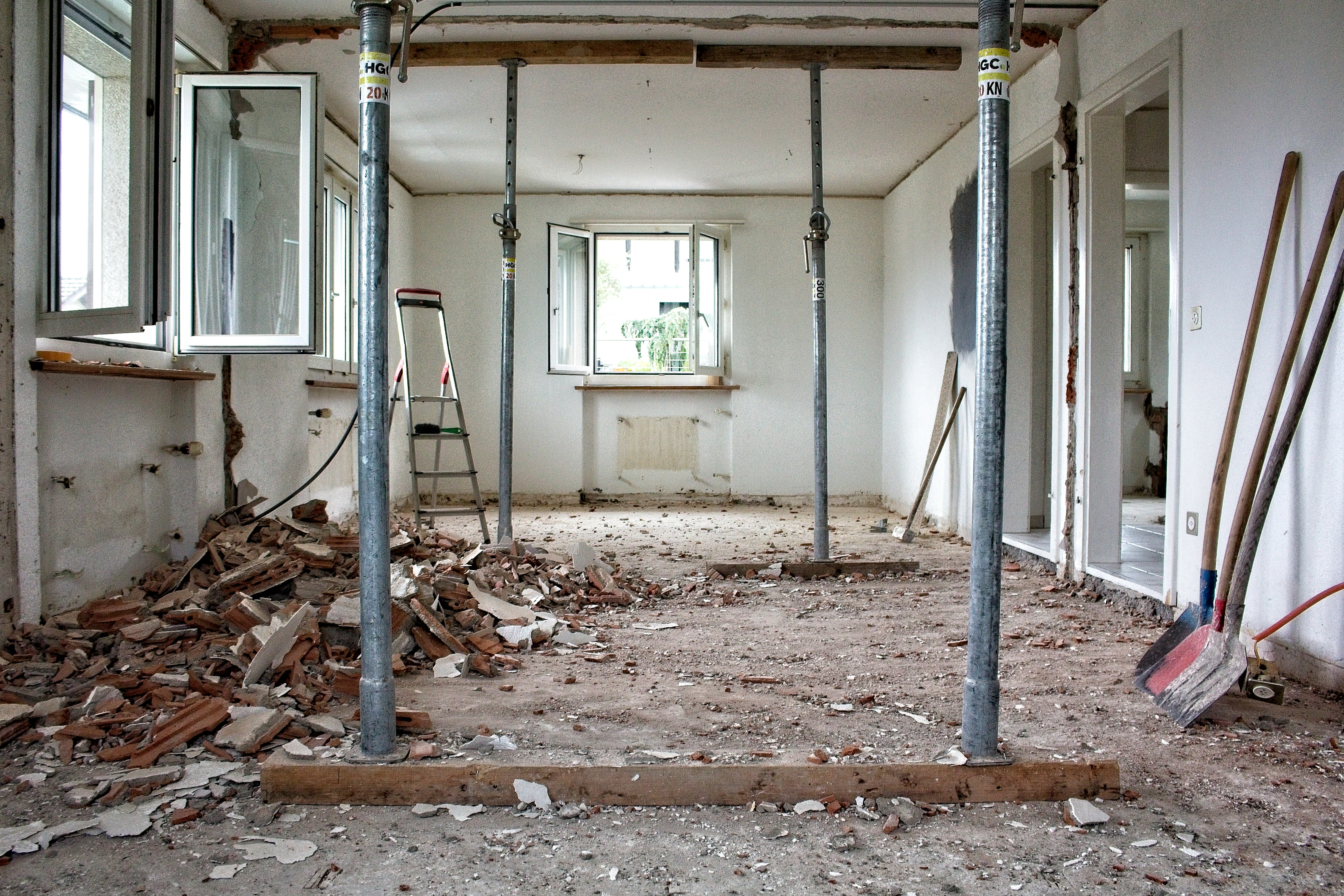
Trends in quick-service restaurant expansion across Canada, new formats, and what operators should consider when planning builds.
Helping retail clients evaluate whether to refresh existing locations or start from scratch—and the factors that tip the decision.
The case for bundling kitchen build-out, maintenance, and repair under one contractor—and the hidden costs of splitting across multiple vendors.
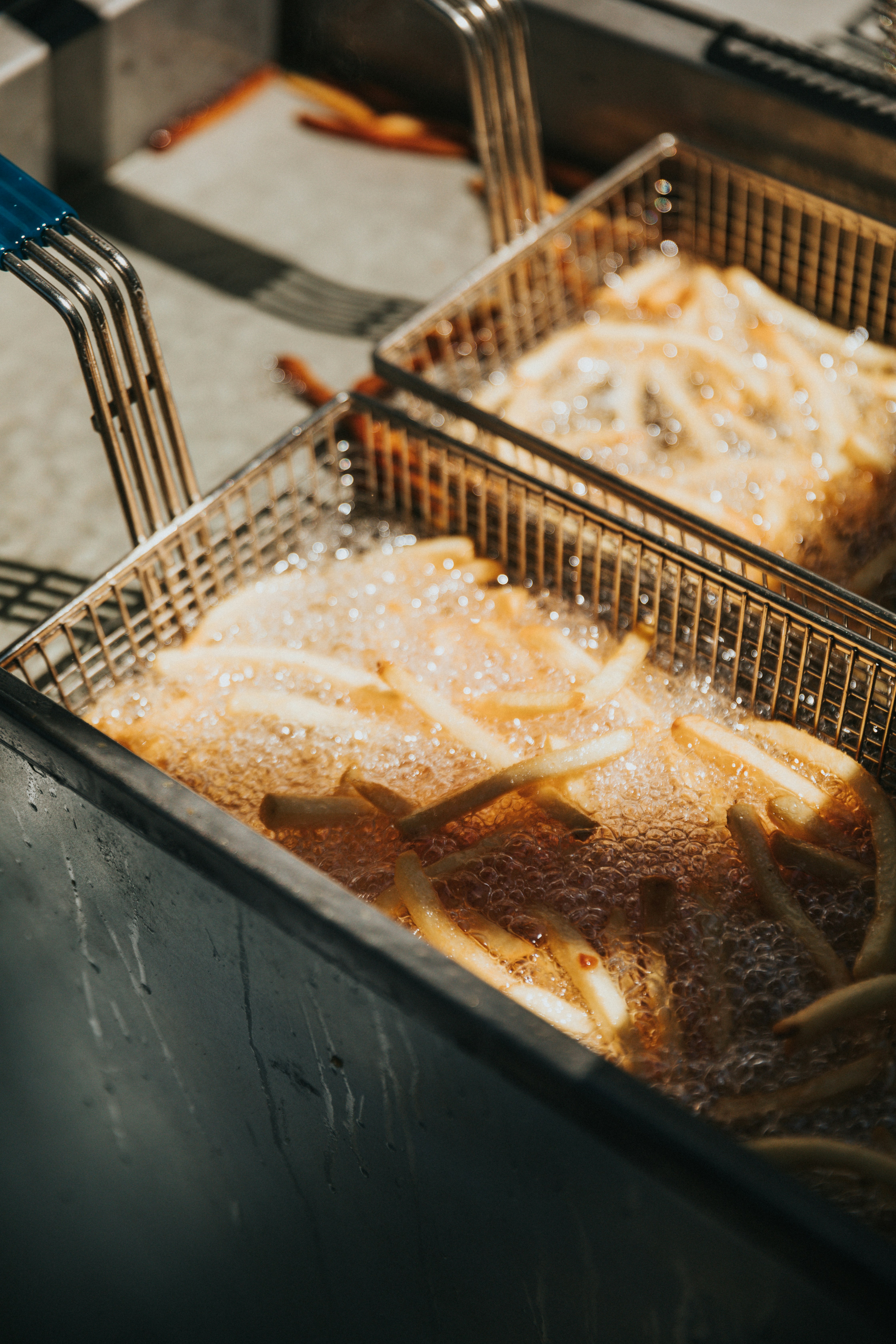
When a commercial kitchen goes down, losses extend far beyond the repair bill. Here’s what equipment failures really cost—and why preventative maintenance is the smartest investment.
Recognized for our industry-leading safety record and commitment to zero-incident job sites.
AI-powered voice ordering, computer vision, and predictive menu boards are transforming drive-thrus—but the technology starts with how the building is constructed.
With 75% of firms committing to decarbonization, MetronCS explores how green building practices are transforming the restaurant and QSR sectors.
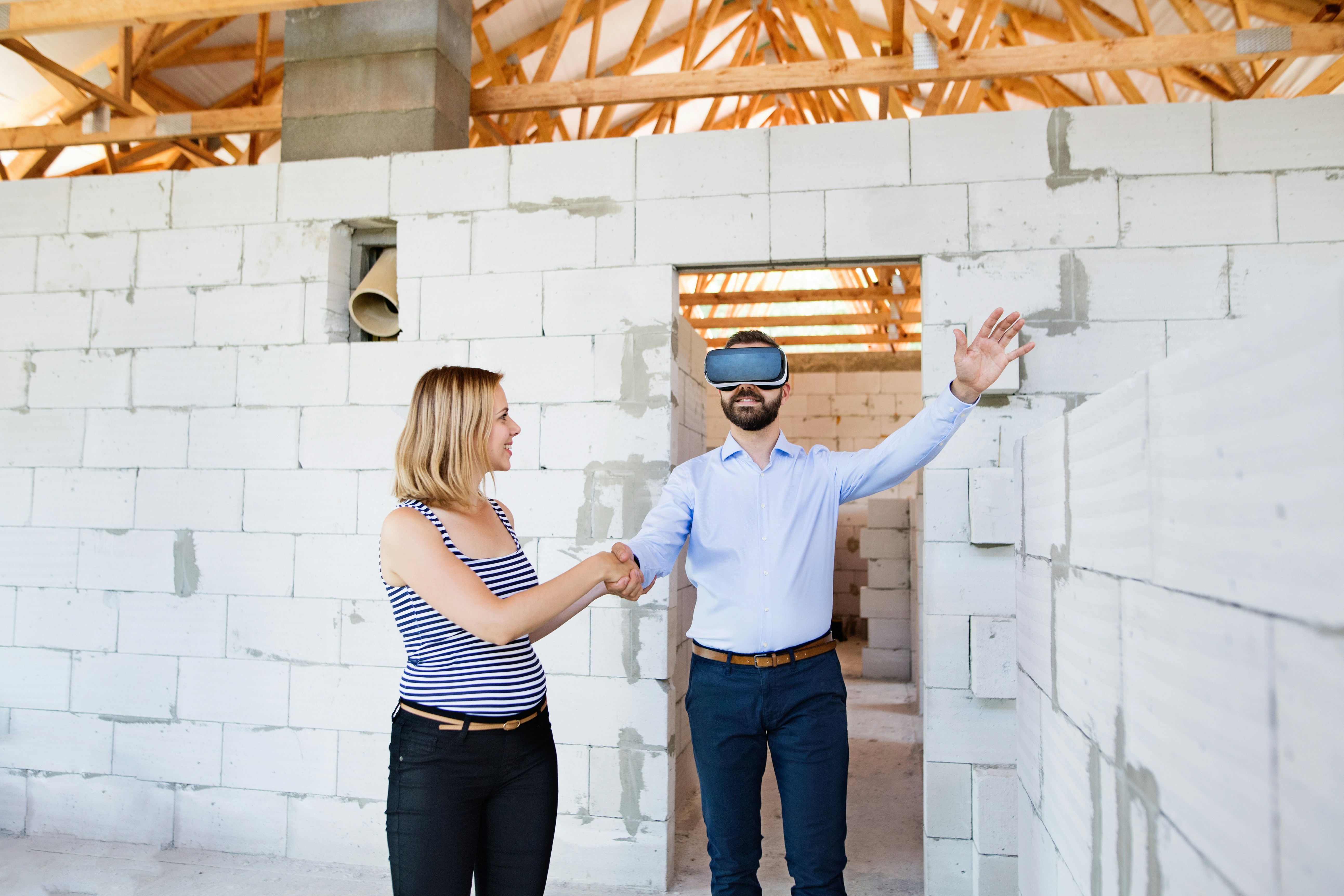
How MetronCS is leveraging BIM, virtual walkthroughs, and AI-driven project tracking to deliver smarter, faster builds across Retail, Restaurant, QSR, and Commercial markets.
Key takeaways from managing a coast-to-coast QSR kitchen renovation program—from logistics and coordination to maintaining operations during construction.
How MetronCS is leveraging Building Information Modeling to deliver smarter, faster, and more cost-effective construction across Retail, Restaurant, QSR, and Commercial markets.
At MetronCS, we believe that innovation isn’t just about adopting the latest tools—it’s about fundamentally rethinking how we deliver value to our clients. That’s why Building Information Modeling (BIM) has become a cornerstone of our project delivery methodology across every market we serve.
BIM is a digital process that creates intelligent 3D models containing every detail of a building—from structural components and mechanical systems to materials, costs, and timelines. Unlike traditional 2D blueprints, BIM provides a living, dynamic representation of a project that evolves from preconstruction through completion and beyond.
For our clients across Retail, Restaurant, QSR, and Commercial sectors, BIM translates directly into measurable benefits that impact both the bottom line and the quality of the finished product.
Before a single wall goes up, our clients can experience their space through immersive virtual walkthroughs. For restaurant clients, this means walking through a fully rendered kitchen layout, testing service flow patterns, and evaluating the dining atmosphere—all before construction begins. Retail clients can visualize customer traffic patterns, fixture placements, and brand presentation in photorealistic detail.
This capability has proven invaluable for our QSR clients, where operational efficiency is paramount. By modeling drive-thru lanes, kitchen equipment placement, and customer flow in 3D, we can optimize layouts to maximize throughput and minimize wait times—critical factors in the quick-service industry.
One of BIM’s most powerful features is automated clash detection. By integrating architectural, structural, mechanical, electrical, and plumbing models into a single coordinated environment, we can identify conflicts—like a ductwork run intersecting with a structural beam—weeks or months before they would surface on site.
In a recent national QSR program rollout across Canada, our BIM-driven clash detection process identified over 200 potential conflicts during preconstruction, saving an estimated $1.2 million in rework costs and keeping the project on schedule across all 4,400 SF of renovated kitchen space.
BIM models contain rich data that goes far beyond geometry. Every element carries information about material specifications, quantities, costs, and installation timelines. This enables our preconstruction teams to generate highly accurate quantity takeoffs and cost estimates directly from the model, reducing the uncertainty that has traditionally plagued construction budgeting.
Through 4D scheduling—linking the 3D model to the project timeline—we can simulate the entire construction sequence, identify potential bottlenecks, and optimize the build plan before mobilizing on site. For our multi-location QSR and retail clients, this capability allows us to refine the construction process with each successive build, driving continuous improvement across program rollouts.
MetronCS is pushing beyond traditional BIM by integrating artificial intelligence into our project tracking workflows. Our AI-driven systems analyze real-time data from the job site—including progress photos, equipment utilization, and labor productivity—and compare it against the BIM model and schedule to provide instant progress updates and predictive analytics.
Key capabilities of our AI-enhanced project tracking include:
In retail construction, speed to market is everything. BIM allows us to compress design and preconstruction timelines by enabling concurrent workflows. For a recent national retail client, BIM-driven prefabrication reduced on-site construction time by 22%, getting the store open three weeks ahead of schedule.
Restaurant construction demands precision in kitchen layout, ventilation, and utility placement. Our BIM process models every piece of kitchen equipment, hood system, and utility connection in 3D, ensuring that the as-built conditions perfectly match the operational requirements. Virtual walkthroughs allow chef-owners and operators to experience and refine their space before construction begins.
For our QSR clients executing multi-unit programs, BIM is a game-changer. We create a master BIM template that captures every lesson learned, then adapt it to each location’s unique site conditions. Our recent nationwide kitchen upgrade program leveraged this approach to renovate locations across Canada with minimal disruption to ongoing operations.
Commercial construction projects benefit from BIM’s ability to coordinate complex building systems across large-scale facilities. From HVAC optimization to energy modeling, BIM enables our commercial clients to make data-driven decisions that reduce operating costs and improve occupant comfort throughout the life of the building.
The integration of BIM, AI, and virtual reality represents just the beginning of MetronCS’s technology roadmap. We are actively exploring digital twin technology—creating persistent digital replicas of completed buildings that continue to provide value long after construction is complete—as well as augmented reality tools that overlay BIM data onto the physical job site in real time.
At MetronCS, embracing innovation isn’t optional—it’s essential to delivering the exceptional results our clients expect. BIM is transforming not just how we build, but how we think about construction, and we’re excited to continue pushing the boundaries of what’s possible.
Contact our team at sales@metroncs.com or call 1-855-563-0094 to discuss how MetronCS can bring innovation to your build.
Contact UsMetronCS has been recognized for its industry-leading safety record and unwavering commitment to zero-incident job sites across Retail, Restaurant, QSR, and Commercial construction.
We are proud to announce that MetronCS has been recognized as a top contractor for safety excellence, an achievement that reflects our deep commitment to protecting every worker, every day, on every job site. In an industry where construction workers account for approximately 20% of all worker fatalities despite representing only 6% of the workforce, this recognition underscores the difference that a genuine safety-first culture can make.
The construction industry continues to face sobering safety challenges. The “Fatal Four”—falls, struck-by incidents, caught-in/between hazards, and electrocutions—remain the leading causes of serious injuries and fatalities on job sites. Falls alone account for more than one-third of all construction fatalities, making them the single most critical risk factor our industry must address.
Compounding these risks, a recent industry study found that 38% of construction firms cite labor shortages as their top challenge, while compressed schedules and multi-employer worksites are amplifying safety risks rather than reducing them. Nearly half of respondents reported being only “somewhat confident” that their current training adequately prepares employees to work safely.
At MetronCS, we refuse to accept these statistics as inevitable. Instead, we’ve built a comprehensive safety program that has delivered exceptional results across hundreds of projects in the Retail, Restaurant, QSR, and Commercial sectors.
At the core of MetronCS’s safety program is a simple but powerful belief: every incident is preventable. This isn’t just a slogan—it’s the operating principle that guides every decision, from preconstruction planning through project closeout.
Our zero-incident philosophy is built on four pillars:
Restaurant and QSR construction presents unique safety challenges that require specialized expertise. Our teams routinely navigate:
Many of our restaurant renovation and QSR kitchen upgrade projects take place in or adjacent to operating businesses. This means managing the safety of not only our construction workers but also restaurant employees and the general public. Our active environment protocols include physical barriers, dust containment, noise management, and coordinated scheduling to minimize disruption while maintaining rigorous safety standards.
Commercial kitchen equipment—including fryers, ovens, walk-in coolers, and hood systems—involves heavy lifting, gas line connections, electrical work, and refrigerant handling. Each of these tasks carries specific risks that our teams are trained to manage through detailed lift plans, lockout/tagout procedures, and trade-specific safety protocols.
When executing QSR program rollouts across dozens of locations, maintaining consistent safety performance is paramount. MetronCS uses standardized safety plans, pre-qualified subcontractor networks, and centralized incident tracking to ensure that the safety standards on location number fifty are identical to those on location number one. Our recent nationwide kitchen upgrade program across Canada maintained a zero-incident record across all 4,400 SF of renovated space.
MetronCS is leveraging technology to take our safety program to the next level:
The numbers tell the story. Over the past five years, MetronCS has achieved:
These results don’t happen by accident. They are the product of daily discipline, continuous improvement, and an organizational culture that values every worker’s well-being above all else.
While we are honored by this recognition, we know that safety is not a destination—it’s a daily commitment. MetronCS will continue to invest in training, technology, and culture to ensure that every person who works on our job sites goes home safely at the end of every shift.
We extend our deepest gratitude to our project teams, subcontractor partners, and clients whose shared commitment to safety makes these results possible. Together, we’re proving that zero incidents isn’t just an aspiration—it’s an achievable standard.
Contact our team at sales@metroncs.com or call 1-855-563-0094 to discuss how MetronCS delivers safe, on-time, on-budget construction.
Contact UsWith 75% of construction firms now dedicating resources to decarbonization and net-zero targets, sustainability has moved from a nice-to-have to a business imperative—and the restaurant industry is leading the charge.
The construction industry is undergoing a profound green transformation. According to recent industry data, three-quarters of construction firms are now actively committing resources to decarbonization and sustainability targets to meet growing demand for net-zero energy buildings. At MetronCS, we’re seeing this shift firsthand across our Retail, Restaurant, QSR, and Commercial markets—and it’s the restaurant sector that’s delivering some of the most innovative examples.
Restaurants are uniquely energy-intensive buildings. Between commercial kitchens running high-powered equipment, HVAC systems managing heat and ventilation, refrigeration units operating around the clock, and lighting creating the right ambiance, a typical restaurant consumes three to five times more energy per square foot than other commercial buildings. That makes them ideal candidates for green building innovation—where even modest efficiency gains deliver outsized impact.
For QSR operators running hundreds or thousands of locations, the math is compelling: a 25-30% reduction in energy and water usage across a national portfolio translates into millions of dollars in annual savings, not to mention a significantly reduced carbon footprint.
McDonald’s Chicago Flagship became the first McDonald’s in the United States to earn LEED Platinum certification—the highest level of green building recognition. The project reused nearly 65% of the existing building structure and diverted an impressive 98.92% of construction waste from landfills, including wood, drywall, brick, metal, concrete, and cardboard. A solar pergola featuring over 1,000 panels generates approximately 59% of the building’s electrical needs while providing shade for outdoor dining.
In France, McDonald’s has taken the concept further with a “circular restaurant design” experiment that focuses on reusing, repurposing, and recycling building materials—salvaging decor, furniture, and construction elements from existing restaurants to close the loop on construction waste entirely. This is exactly the kind of thinking that MetronCS brings to our QSR program rollouts.
Starbucks has classified nearly 16% of its 38,587 global locations as “Greener Stores”—almost double the number reported in 2023—and is on track to reach 10,000 greener stores worldwide. Developed in collaboration with the World Wildlife Fund and building on years of LEED certification investment, Greener Stores run on renewable energy, use high-efficiency fixtures, and reduce energy and water consumption by 25-30%.
The scalability of Starbucks’ approach is particularly relevant for multi-unit operators. By establishing a standardized green framework and applying it consistently across new builds and renovations, they’ve proven that sustainability and speed of deployment are not mutually exclusive.
Chipotle has pushed boundaries with locations featuring 6-foot kilowatt wind turbines generating approximately 10% of in-store electricity, walls constructed from recycled drywall and reclaimed barn materials, LED lighting throughout, Energy Star-rated kitchen equipment, and a 2,500-gallon underground cistern for rainwater-irrigated landscaping. Their Harvest Program converts vegetable trimmings and unused ingredients into compost for local farms, reducing landfill waste by 25%.
These examples illustrate a clear industry direction: green building isn’t just about environmental responsibility—it’s a competitive advantage that reduces operating costs, attracts environmentally conscious customers, and future-proofs assets against tightening regulations.
At MetronCS, we’re integrating sustainable construction practices into every phase of our project delivery:
The financial argument for sustainable construction has never been stronger. While green buildings may require a 2-7% higher initial investment, the returns are substantial: LEED-certified buildings command higher rental rates, achieve 8% higher resale values, and qualify for federal tax credits of up to $5,000 per qualified unit. For restaurant operators, the operational savings from reduced energy and water bills compound across every location in a portfolio.
Net-zero energy buildings—structures that produce as much energy as they consume annually—represent the ultimate goal. The federal government’s official recognition of net-zero buildings in national climate strategy is accelerating adoption, and MetronCS is positioned to help our clients lead this transition.
Sustainability in construction is not a trend—it’s the new baseline. As building codes tighten, energy costs rise, and consumers increasingly favor environmentally responsible brands, the construction firms and restaurant operators that embrace green building today will be best positioned for tomorrow.
At MetronCS, we’re committed to helping our clients across Retail, Restaurant, QSR, and Commercial markets build smarter, greener, and more efficiently. Whether you’re planning a single flagship location or a nationwide program rollout, sustainability should be part of the conversation from day one.
Contact our team at sales@metroncs.com or call 1-855-563-0094 to discuss how MetronCS can integrate sustainability into your next project.
Contact UsWhen a commercial kitchen goes down, the losses extend far beyond the repair bill. Here’s what equipment failures really cost—and why preventative maintenance is the smartest investment a restaurant or QSR operator can make.
It’s a Tuesday lunch rush. The main fryer bank goes down. Within minutes, the line is backed up, orders are being modified or cancelled, and your team is scrambling. The repair technician can’t arrive until tomorrow morning. For a high-volume QSR location doing $5,000–$8,000 in daily revenue, that single equipment failure can cost $2,500 or more in lost sales before the doors even close for the night.
But the repair bill and the lost sales are just the beginning. The true cost of kitchen downtime is a cascading chain of financial, operational, and reputational consequences that most operators dramatically underestimate.
The most immediate and obvious cost. When critical equipment fails, menu items become unavailable, ticket times increase, and customers walk out. For a typical QSR location averaging $6,000 in daily revenue, even a partial kitchen shutdown during peak hours can mean $1,500–$3,000 in lost sales per incident. For full-service restaurants with higher average checks, a single dinner service disruption can exceed $5,000 in lost revenue.
By the Numbers:
A QSR location experiencing just one major equipment failure per month loses an estimated $18,000–$36,000 annually in direct revenue alone.
Refrigeration failures are among the most costly equipment breakdowns. A walk-in cooler that goes down overnight can destroy an entire inventory of perishable goods. For a restaurant carrying $8,000–$15,000 in food inventory, a single refrigeration failure can wipe out thousands of dollars in product. Even cooking equipment failures lead to waste—partially prepared items that can’t be completed, prep work that goes unused, and ingredients that expire during extended closures.
When equipment fails unexpectedly, operators pay premium rates for emergency service calls. After-hours and weekend emergency repairs typically cost 1.5x to 2x the standard rate, and expedited parts shipping adds even more. A repair that would cost $400 under a preventative maintenance program can easily balloon to $1,200 or more as an emergency call. Across a multi-location portfolio, these premiums add up to tens of thousands annually.
Kitchen downtime doesn’t mean your staff goes home. Hourly employees are still on the clock, managers are troubleshooting instead of managing, and additional labor may be needed for cleanup, temporary workarounds, or extended hours once equipment is restored. A four-hour equipment outage at a location staffed with 8–12 team members can represent $500–$800 in unproductive labor costs.
This is the cost that doesn’t show up on any invoice, but it may be the most expensive of all. Every customer who walks away from a closed or limited-menu restaurant represents not just one lost transaction, but potentially hundreds of future visits. In the age of online reviews, a single bad experience—long wait times, unavailable menu items, a “temporarily closed” sign—can generate negative reviews that deter new customers for months. Research consistently shows that acquiring a new customer costs 5–7x more than retaining an existing one.
Equipment that fails gradually—refrigerators that aren’t holding proper temperature, dishwashers that aren’t reaching sanitization levels, hood systems with reduced airflow—can trigger health department violations before anyone realizes there’s a problem. Fines range from hundreds to thousands of dollars per violation, and repeated offenses can result in mandatory closures, public health notices, and lasting damage to your brand.
For operators managing a portfolio of 20, 50, or 100+ locations, these numbers scale dramatically. A 50-location QSR portfolio with average downtime performance is potentially leaving $1.5–$3 million on the table annually—losses that are almost entirely preventable.
The math is simple. A comprehensive preventative maintenance program for a single QSR location typically costs $3,000–$6,000 annually. Compare that to the $31,000–$62,000+ in annual downtime costs, and the return on investment becomes overwhelming:
Regular inspections catch worn components before they fail. Scheduled maintenance keeps equipment running at peak efficiency. Compliance documentation stays current. And when something does break, maintenance program clients get priority service with faster response times and reduced repair costs.
After completing hundreds of kitchen builds and maintenance programs across Canada, MetronCS recommends a three-tier approach to minimizing kitchen downtime:
1. Invest in quality construction from day one. Kitchens built with proper ventilation, robust electrical and plumbing infrastructure, and correctly installed equipment experience significantly fewer breakdowns. Cutting corners during construction always costs more in the long run.
2. Implement a preventative maintenance program. Scheduled inspections, filter changes, calibration checks, and component replacements keep equipment running reliably and catch problems early. MetronCS maintenance programs are customized to your specific equipment inventory and operational demands.
3. Establish a repair response plan. When equipment does fail, having a trusted repair partner with priority response capabilities minimizes downtime. MetronCS repair services are available 24/7 for maintenance program clients, with factory-trained technicians and commonly needed parts ready to deploy.
Kitchen downtime is not a minor inconvenience—it’s a significant and measurable drain on profitability. For restaurant and QSR operators, the question isn’t whether you can afford a preventative maintenance program. The question is whether you can afford not to have one.
Contact our team at sales@metroncs.com or call 1-855-563-0094 to learn about MetronCS preventative maintenance and repair programs.
Contact UsWhen you split kitchen build-out, equipment installation, and ongoing maintenance across multiple vendors, you’re not saving money—you’re creating gaps. Here’s why bundling kitchen services under your construction contract is the smarter approach.
It’s a scenario that plays out in restaurant and QSR construction projects across Canada every day. The general contractor builds the shell and installs the infrastructure. A separate kitchen equipment vendor handles procurement and installation. A third company is hired after opening for maintenance. And when something goes wrong—a hood system that doesn’t draw properly, a fryer circuit that keeps tripping, a walk-in cooler that wasn’t leveled correctly—nobody wants to own the problem.
The GC says the equipment vendor installed it wrong. The equipment vendor says the electrical rough-in doesn’t match spec. The maintenance company says the installation was faulty from day one. Meanwhile, your kitchen is down, your staff is idle, and your customers are going elsewhere.
This isn’t a hypothetical. It’s the reality for operators who split kitchen services across multiple vendors—and the hidden costs are staggering.
When construction, equipment installation, and maintenance are handled by separate companies, accountability becomes a game of finger-pointing. Warranty claims get denied because the installing contractor blames the builder and vice versa. Issues that fall between scopes—like an equipment connection point that was roughed in two inches off spec—become expensive change orders with no clear responsible party. A single-source contractor eliminates these gaps entirely because one team owns the entire scope from infrastructure through equipment to ongoing care.
Commercial kitchen construction requires precise coordination between rough-in infrastructure (electrical, plumbing, gas, ventilation) and the equipment it serves. When the GC installs utility connections without detailed input from the equipment installer, misalignments are almost inevitable. Gas drops in the wrong location. Electrical circuits sized incorrectly. Drain lines that don’t match equipment outlet positions. Each mismatch triggers costly field modifications, schedule delays, and potential code violations. When one contractor handles both construction and kitchen services, the infrastructure is designed and built specifically for the equipment that will be installed—eliminating coordination failures before they happen.
Kitchen equipment installation is almost always on the critical path of a restaurant or QSR project. When the equipment installer is a separate vendor waiting for the GC to finish, any construction delay cascades directly into the equipment schedule—and ultimately the opening date. With an integrated approach, the construction team and the kitchen team share a single schedule, coordinate daily, and can adjust sequencing in real time to protect the opening date.
Perhaps the most expensive hidden cost emerges after opening day. When your kitchen was built by one company, the equipment installed by another, and maintenance handled by a third, warranty coverage becomes fragmented and confusing. Which vendor is responsible when a piece of equipment fails six months in? Was it a construction defect, an installation error, or a maintenance issue? With a single-source contractor, there’s one warranty, one phone number, and one team that knows your kitchen inside and out—because they built it.
Bundling kitchen services into your construction contract creates a fundamentally different dynamic—one where every decision from preconstruction through ongoing maintenance is made by a team with complete knowledge of your kitchen’s design, construction, and operational requirements.
When kitchen services are part of the construction contract from day one, the preconstruction team designs infrastructure specifically for the equipment that will be installed. Electrical panels are sized correctly. Gas lines are routed efficiently. Ventilation ductwork is coordinated with hood placements. Drain locations match equipment outlets. This level of integration eliminates the field modifications, change orders, and rework that plague projects where construction and kitchen work are handled separately.
With a single contractor managing both construction and equipment, installation becomes a seamless extension of the build process rather than a disruptive handoff. Equipment arrives on site when the space is ready—not before it’s protected or after it’s delayed the schedule. Connections are made by the same tradespeople who installed the infrastructure, ensuring proper fit and code compliance.
The most powerful long-term benefit of bundling kitchen services is maintenance continuity. The team maintaining your equipment is the same team that built your kitchen and installed your equipment. They know every connection point, every circuit, every piece of equipment and its installation history. When something needs attention, they don’t need to spend time diagnosing the system—they already know it. This translates directly into faster response times, more accurate diagnoses, and lower maintenance costs over the life of the equipment.
Beyond eliminating the hidden costs of coordination failures and accountability gaps, bundling kitchen services delivers direct financial benefits:
Operators who bundle kitchen services typically see 15–20% lower change order costs during construction, faster time-to-open due to eliminated handoff delays, and significantly fewer equipment issues in the first year of operation because their kitchen was built, installed, and maintained by one integrated team.
For multi-location operators running QSR or restaurant rollout programs, these savings compound across every location in the portfolio—turning a modest per-unit advantage into a substantial program-level cost reduction.
At MetronCS, kitchen services have always been integral to our construction delivery. We don’t treat kitchen build-out as a subcontracted afterthought—we treat it as a core competency that’s woven into every phase of the project, from preconstruction planning through equipment installation and into ongoing preventative maintenance and repair.
Our clients across the Restaurant and QSR sectors benefit from a single point of contact, a single warranty, and a maintenance team that knows their kitchen because they built it. It’s simpler, it’s more reliable, and it costs less over the life of the equipment.
Splitting kitchen services across multiple vendors might seem like it creates competitive pricing, but the hidden costs—coordination failures, schedule delays, accountability gaps, fragmented warranties, and higher long-term maintenance expenses—almost always outweigh any upfront savings. Bundling kitchen build-out, equipment installation, and preventative maintenance under your construction contract isn’t just more convenient. It’s the smarter business decision.
Contact our team at sales@metroncs.com or call 1-855-563-0094 to learn how MetronCS integrates kitchen services into every construction contract.
Contact UsManaging a coast-to-coast QSR kitchen renovation program taught us invaluable lessons about logistics, coordination, and keeping restaurants operational during construction. Here’s what we learned—and what every multi-unit operator should know before launching a national rollout.
When a national QSR brand approached MetronCS to renovate kitchen facilities across dozens of Canadian locations, we knew the project would test every aspect of our operational capabilities. Each location presented a unique combination of site conditions, municipal requirements, and operational constraints—all within a standardized 4,400 SF footprint that had to meet exacting brand specifications.
Seven months and countless lessons later, the program was completed on time and under budget. But the real value wasn’t just in the finished kitchens—it was in the playbook we developed along the way. Here are the key takeaways that now guide every multi-unit program we manage.
Every QSR location shared the same kitchen layout and equipment specifications, but we quickly learned that identical designs don’t mean identical builds. Older locations had legacy plumbing configurations that didn’t match current drawings. Some sites had structural limitations that required custom ductwork routing. Others had electrical panels that couldn’t support the upgraded equipment load without service upgrades.
Our solution was to create a standardized assessment and adaptation protocol—a structured process for evaluating each site against the design template, identifying variances, and developing pre-approved solutions for the most common deviations. This allowed our site teams to make real-time decisions without waiting for design revisions, cutting an average of four days off each location’s preconstruction timeline.
In multi-unit programs, the process must be more standardized than the product. Build a decision framework that empowers field teams to handle site-specific variations without derailing the schedule.
Coordinating equipment delivery, material staging, and trade scheduling across locations spread from British Columbia to the Maritimes was by far the most complex aspect of the program. A delayed hood system shipment to one location could cascade into trade crew idle time, pushing the schedule at that site and potentially impacting the next location in the sequence.
We implemented a centralized logistics command center that tracked every piece of equipment from manufacturer to installation. Each location had a dedicated logistics timeline that mapped backward from the target completion date, with built-in buffer windows for shipping variability. We also established regional equipment staging areas rather than shipping direct to each site, giving us flexibility to redirect shipments if a location experienced unforeseen delays.
Treat logistics as a distinct workstream with its own dedicated management, not as an extension of site operations. The ability to absorb and redirect around supply chain disruptions is what separates successful rollouts from costly ones.
Unlike new construction, renovation means working inside an operating business. Our client couldn’t afford to close locations for weeks at a time—every day of lost revenue had a direct impact on franchise operators and the brand’s bottom line. The challenge was performing full kitchen gut-and-rebuild work while maintaining at least partial food service operations.
We developed a phased construction approach that divided each kitchen into zones. While one zone was under active construction, the remaining zones continued operating with temporary equipment configurations. This required meticulous planning to ensure food safety standards, fire separation, and ventilation requirements were maintained throughout each phase.
The results spoke for themselves: average revenue loss during construction was held to under 15% compared to the industry standard of 40–60% for comparable kitchen renovations. Several locations reported that customers didn’t even realize major construction was underway.
Phased construction isn’t just about sequencing trades—it’s about designing temporary operational states that maintain food safety, customer experience, and revenue. Plan the interim conditions as carefully as the final product.
Building permits, inspections, and code requirements vary dramatically across Canadian municipalities. What passed inspection in Calgary required modifications in Toronto. Health department protocols in Vancouver differed from those in Halifax. Each jurisdiction had its own timeline expectations and inspection scheduling quirks.
Rather than relying solely on our central team to navigate each municipality remotely, we invested in building relationships with local trades, inspectors, and permit offices in each region before construction began. Pre-construction meetings with local authorities helped us understand expectations and avoid surprises. Partnering with regional trade contractors who already had established relationships with local inspectors streamlined the approval process significantly.
National programs succeed locally. Invest the time to build regional relationships and understand local requirements before the first hammer swings. The upfront effort pays dividends in smoother inspections and fewer change orders.
One of the most valuable outcomes of the program was the data we collected. Every location provided a new data point: actual versus estimated durations for each trade, common site condition variances, equipment installation times, inspection pass rates, and cost actuals against budgets.
By the midpoint of the program, we had enough data to refine our templates, tighten our estimates, and predict with remarkable accuracy how long each phase would take at a new location based on its site assessment scores. The last quarter of locations were completed an average of 12% faster and 8% under budget compared to the first quarter—a direct result of the continuous improvement loop we built into the program.
National multi-unit programs are among the most complex undertakings in commercial construction. They demand a contractor who can think both globally and locally—maintaining program-wide consistency while adapting to the realities on the ground at each individual location.
At MetronCS, the lessons from this QSR kitchen rollout have been embedded into our program management methodology. Every multi-unit client now benefits from the standardized assessment protocols, centralized logistics systems, phased construction playbooks, and data-driven improvement processes that were forged through this experience.
Whether you’re planning a 10-location refresh or a 100-unit national program, these lessons apply. The difference between a rollout that delivers on time and on budget—and one that spirals into delays and cost overruns—comes down to preparation, process, and the willingness to learn from every single build.
Contact our team at sales@metroncs.com or call 1-855-563-0094 to discuss how MetronCS can bring proven program management to your rollout.
Contact UsQuick-service restaurant construction across Canada is surging in 2026, driven by shifting consumer habits, new store formats, and aggressive expansion plans from both legacy brands and emerging concepts. Here’s what’s fueling the boom—and what operators need to know before breaking ground.
The Canadian quick-service restaurant sector is experiencing its most significant construction wave in over a decade. Industry data points to a projected 18–22% increase in new QSR builds and major renovations in 2026 compared to the previous year, with activity concentrated in suburban growth corridors, mid-size cities, and transit-oriented developments across every province.
For operators, franchisees, and brand development teams, the opportunity is enormous—but so are the complexities. Understanding the forces behind this boom is essential to making smart decisions about where, when, and how to build.
Canada’s population growth—fueled by record immigration targets—is reshaping the demand map for quick-service restaurants. Communities in the Greater Toronto Area, the Fraser Valley in British Columbia, and the Calgary–Edmonton corridor are seeing population surges that far outpace existing food service infrastructure. For QSR brands, these underserved suburban markets represent prime territory for new locations.
Municipal governments in many of these growth areas are streamlining commercial permitting to attract food service and retail tenants, creating a more favourable construction environment than operators have seen in years.
The traditional QSR footprint is evolving rapidly. Brands are moving away from one-size-fits-all locations and embracing a range of formats tailored to specific markets and customer behaviours. The formats gaining the most traction in 2026 include:
Each format brings its own construction requirements, from specialized HVAC systems for compact drive-thru builds to the structural modifications needed for ghost kitchen conversions. Working with a contractor experienced in QSR-specific construction is critical to getting these formats right.
Modern QSR locations are technology-intensive environments. Digital menu boards, self-order kiosks, mobile pickup lockers, kitchen display systems, and AI-powered inventory management all need to be planned for during preconstruction—not retrofitted after the fact. The electrical, data, and structural requirements for these systems are reshaping how QSR kitchens and service areas are designed and built.
Brands that plan technology infrastructure into the construction phase rather than treating it as a post-build add-on save an average of 15–20% on technology deployment costs and avoid the operational disruptions that come with retrofitting an operating restaurant.
The construction boom has intensified competition for prime sites. Operators need to move quickly but carefully. Key due diligence considerations include zoning confirmation for the intended format, environmental assessments (especially for converted properties), utility capacity verification, and municipal approval timelines that vary dramatically across Canadian jurisdictions.
Increased construction volume means greater demand for specialized QSR equipment—hood systems, walk-in coolers, fryers, and ventilation units. Lead times for commercial kitchen equipment have extended to 12–16 weeks in some categories, up from 8–10 weeks two years ago. Operators who lock in equipment orders during preconstruction rather than waiting for construction milestones avoid costly schedule delays.
Not all general contractors understand the unique demands of QSR construction. The margin for error in a 4,400 SF kitchen renovation is far smaller than in a typical commercial build. Equipment clearances measured in inches, ventilation requirements that vary by cooking method, health department standards that differ by municipality—these details require a contractor with deep QSR experience and established relationships with equipment suppliers, health inspectors, and local trades.
At MetronCS, QSR construction is one of our core specialties. We’ve delivered kitchen renovations and new builds across Canada, giving us firsthand knowledge of the regional differences, equipment requirements, and operational constraints that define successful QSR projects.
Our approach combines standardized program management methodology—refined through national multi-unit rollouts—with the local expertise needed to navigate site-specific challenges. From preconstruction planning and BIM-driven design coordination through construction and kitchen equipment installation, we manage the entire process so operators can focus on what they do best: serving customers.
The 2026 QSR boom is creating opportunities for brands willing to move decisively. The operators who pair smart site selection with experienced construction partners will be the ones who capture market share while controlling costs and timelines.
Contact our team at sales@metroncs.com or call 1-855-563-0094 to discuss how MetronCS can help you build smarter and faster in 2026.
Contact UsWhen it’s time to expand or refresh your retail presence, one of the biggest decisions you’ll face is whether to renovate an existing location or build new from the ground up. Both paths have merit—but the right choice depends on your brand, your market, and your timeline.
Every retail brand reaches a point where the physical space no longer reflects the customer experience it wants to deliver. Maybe the layout feels dated. Maybe the infrastructure can’t support new technology. Maybe the market has shifted and the location needs to evolve to stay competitive. The question isn’t whether to act—it’s which path gets you to the finish line with the best return on investment.
At MetronCS, we’ve helped retail clients navigate this decision across hundreds of projects. Here’s how we help brands evaluate the renovation-versus-new-build question.
Renovation is often the faster, more cost-effective path—especially when the existing location has strong fundamentals. Here are the scenarios where renovation typically wins:
If your site is in a high-traffic area with strong demographics and good lease terms, walking away to build new elsewhere rarely makes financial sense. A well-planned renovation can completely transform the customer experience while preserving the location advantage you’ve already established. Customers who know where to find you continue showing up—they just walk into a better version of your store.
New builds involve site acquisition, zoning approvals, design from scratch, and construction timelines that can stretch 12–18 months or longer. A renovation of comparable scope can typically be completed in 4–8 months, depending on the extent of the work. For brands competing for market share in a hot retail corridor, that time advantage can be worth more than the savings of starting fresh.
Renovation costs are typically 30–50% lower than comparable new construction, assuming the existing structure, foundation, and core systems are sound. The savings come from retaining the building envelope, existing utilities, and site improvements that would need to be rebuilt from zero in a new construction scenario.
Renovating an existing structure is inherently more sustainable than demolishing and rebuilding. Adaptive reuse avoids the embodied carbon of new construction materials and keeps demolition waste out of landfills. For brands with ESG commitments or green building targets, renovation can contribute meaningfully to sustainability metrics.
Sometimes a clean slate is the right answer. New construction makes sense when the limitations of the existing space outweigh the cost and time savings of renovation:
Older buildings may have load-bearing walls that prevent the open-concept layouts modern retail demands, ceiling heights too low for the brand experience, or electrical and HVAC systems so outdated that replacement costs approach new-build pricing. When a renovation estimate exceeds 60–70% of new construction cost, the economics increasingly favour building new.
If customer demographics, traffic patterns, or competitive dynamics have moved away from your current location, renovating a store in the wrong spot only delays the inevitable. A new build in the right location—even at higher upfront cost—positions the brand for long-term growth rather than short-term savings.
Major brand repositioning—the kind that changes the fundamental customer experience—can be difficult to achieve within the constraints of an existing structure. If the new brand vision requires a dramatically different footprint, façade, or spatial configuration, new construction provides the freedom to build exactly what the brand needs without compromise.
For brands executing multi-location expansion programs, new builds using a standardized prototype design can be more efficient at scale than adapting renovations to the quirks of each existing space. The upfront investment in a well-engineered prototype pays dividends across dozens or hundreds of locations through reduced design costs, faster permitting, and predictable construction timelines.
The renovation-versus-new-build decision isn’t one that should be made on instinct. It requires a structured evaluation that weighs financial, operational, and strategic factors:
| Factor | Favours Renovation | Favours New Build |
|---|---|---|
| Location quality | Strong existing site | Market has shifted |
| Timeline | 4–8 months | 12–18 months |
| Budget | 30–50% lower cost | Higher but no compromises |
| Structural condition | Sound fundamentals | Major limitations |
| Brand vision | Incremental refresh | Complete repositioning |
| Sustainability | Lower carbon footprint | Modern energy systems |
The most important first step is a thorough site and building assessment conducted by a contractor who understands retail construction. This assessment should evaluate the structural integrity of the existing space, the capacity and condition of mechanical, electrical, and plumbing systems, code compliance gaps, and the feasibility of achieving the desired layout within the existing footprint.
At MetronCS, we don’t default to one answer. Our preconstruction team evaluates every retail project on its own merits, providing clients with an honest, data-driven comparison of the renovation and new-build paths before a single dollar is committed. We’ve delivered both—from complete gut renovations of existing retail spaces to ground-up builds for national brands—and our experience across both approaches means we can advise without bias.
Whether you’re refreshing a single flagship location or planning a multi-market expansion, the right construction partner will help you see the full picture before you commit. The goal isn’t just to build—it’s to build the right thing, in the right place, at the right time.
Contact our team at sales@metroncs.com or call 1-855-563-0094 for a complimentary site assessment and honest recommendation.
Contact UsArtificial intelligence is transforming the QSR drive-thru from a simple ordering lane into a data-driven, automated experience. But the technology is only as good as the infrastructure behind it—and that starts with how the building is constructed.
The drive-thru has always been the lifeblood of quick-service restaurants. In Canada, drive-thru transactions account for an estimated 60–70% of total QSR revenue, and that number continues to climb. Now, artificial intelligence is poised to fundamentally change how these transactions happen—from the moment a vehicle enters the lane to the second the order is handed through the window.
For QSR operators and franchisees, the AI drive-thru revolution isn’t a future concept. Major brands are already deploying AI-powered voice ordering, computer vision systems, and predictive analytics across their Canadian locations. But here’s what many operators don’t realize until it’s too late: AI drive-thru technology has significant implications for how the building itself needs to be designed and constructed.
AI-powered voice assistants are replacing traditional speaker-box interactions at an accelerating pace. These systems use natural language processing to take orders conversationally, handle modifications and upsells, and confirm accuracy—all without human intervention. The best systems now achieve order accuracy rates above 95%, rivalling experienced human order-takers while operating consistently across every shift.
From a construction perspective, AI voice ordering requires weatherproof speaker and microphone arrays positioned at precise heights and angles, noise-dampening materials around the order point to reduce ambient interference from traffic and kitchen exhaust, dedicated network infrastructure with redundant connectivity, and conduit pathways from the order point back to the server room that are protected from temperature extremes and moisture.
Camera-based AI systems are adding another layer of intelligence to the drive-thru. License plate recognition can identify returning customers and pull up their order history before they reach the speaker. Vehicle detection sensors track queue length and wait times in real time, feeding data to kitchen display systems so the crew can anticipate demand.
More advanced deployments use computer vision at the pickup window to verify order completeness—matching the physical items in the bag against the digital order to catch errors before the customer drives away. These systems require strategic camera mounting points with clear sightlines, weatherproof power and data connections at each camera location, and structural considerations for mounting hardware that must withstand wind, vibration, and temperature cycling year-round.
AI-driven digital menu boards are replacing static signage with displays that adapt in real time. These systems analyze time of day, weather conditions, current inventory levels, and historical sales patterns to promote items most likely to sell—and most profitable to the operator. On a cold morning, the board might highlight coffee and breakfast sandwiches; during a summer afternoon, it shifts to frozen beverages and lighter fare.
Dynamic menu boards require robust digital signage infrastructure: high-brightness commercial displays rated for outdoor use, dedicated power circuits capable of handling multiple large screens, network connectivity for real-time content updates, and structural mounting systems engineered for the specific wind load and exposure conditions at each location.
The most sophisticated AI drive-thru systems don’t stop at the order point. They feed directly into kitchen management platforms that sequence orders for optimal preparation timing, predict demand spikes before they hit, and coordinate cooking equipment to minimize wait times. When a vehicle is detected entering the lane, the kitchen can begin preparing high-probability items before the order is even placed.
This level of integration requires a robust data backbone connecting the drive-thru lane to the kitchen—including dedicated network switches, structured cabling rated for the commercial kitchen environment, and power protection for servers and networking equipment that must operate reliably in spaces subject to heat, grease, and moisture.
The gap between a building that’s “AI-ready” and one that requires expensive retrofitting comes down to decisions made during preconstruction and construction. Here are the critical infrastructure elements that must be planned from the start:
AI drive-thru technology adds meaningful electrical load to a QSR location. Between digital menu boards, camera systems, outdoor speaker arrays, edge computing hardware, and network equipment, operators should plan for an additional 15–25% electrical capacity above traditional drive-thru requirements. Panel sizing, circuit allocation, and backup power provisions all need to account for the technology layer from the start.
The single most expensive element to retrofit is conduit. Running cable pathways from the drive-thru lane through the building envelope into the server room after construction means cutting into finished walls, ceilings, and exterior surfaces. During construction, these pathways cost a fraction of what they’ll cost later—and they can be sized to accommodate future technology upgrades that don’t exist yet.
MetronCS recommends installing oversized conduit at every technology touchpoint—order board, menu board, pickup window, and camera locations—with pull strings for future cable runs. The incremental cost during construction is minimal; the savings when the next technology upgrade arrives are substantial.
AI systems require on-premise edge computing hardware that processes data locally for the low-latency response times drive-thru operations demand. This means a dedicated, climate-controlled equipment space with adequate power, ventilation, and physical security. In many QSR builds, this space is an afterthought—a converted closet with inadequate cooling and no room for expansion. Planning a proper technology room during construction ensures reliable system performance and makes future upgrades straightforward.
Camera positions, speaker locations, and menu board placements all have optimal positions determined by the AI system requirements. These positions need structural backing—steel plates behind cladding, reinforced posts, or dedicated mounting structures—that are far easier to install during construction than to add after the building is finished. Similarly, the drive-thru lane geometry itself may need to accommodate sightline requirements for camera systems that traditional layouts don’t consider.
Operators who build without AI infrastructure planning face a painful reality when it’s time to deploy. Retrofitting conduit pathways, upgrading electrical panels, adding structural mounting points, and creating equipment room space after the fact typically costs 3–5 times what it would have cost during original construction. Worse, the retrofit work often requires partial closures that disrupt revenue—the exact outcome the drive-thru was designed to prevent.
We’re already seeing this play out across Canada. Locations built just two or three years ago without technology infrastructure planning are now facing six-figure retrofit budgets to deploy AI systems that their competitors—building new or renovating with AI in mind—are integrating at a fraction of the cost.
At MetronCS, we’ve integrated AI infrastructure planning into our standard QSR preconstruction process. Every new build and major renovation includes a technology infrastructure assessment that maps current and anticipated AI system requirements against the building design. We coordinate directly with the operator’s technology vendors to ensure that mounting points, conduit pathways, power provisions, and equipment spaces are engineered into the build—not bolted on after the fact.
Our experience across national QSR programs has given us deep insight into the practical realities of AI drive-thru construction: which conduit sizes actually accommodate future upgrades, where camera mounting points need structural reinforcement, how to route cabling through commercial kitchen environments without compromising food safety or maintenance access, and how to size equipment rooms for growth.
The AI drive-thru isn’t coming—it’s here. The operators who build for it today will have a lasting competitive advantage. Those who don’t will pay significantly more to catch up later.
Contact our team at sales@metroncs.com or call 1-855-563-0094 to discuss how MetronCS builds AI-ready drive-thru infrastructure from day one.
Contact UsFrom ground-up buildouts to multi-location maintenance programs, MetronCS delivers results that exceed expectations.
Ground-up construction of a full-service quick-service restaurant with drive-thru, including structural, MEP systems, kitchen, and all finishes.

Complete kitchen gut and rebuild featuring new commercial equipment, ventilation systems, and updated plumbing and electrical infrastructure.

Interior and exterior refresh to new brand standards with updated finishes, signage, furniture, lighting, and modern facade.

Expansion adding dual drive-thru lanes with digital menu boards, reconfigured traffic flow, and protective canopy structure.

Converting raw retail shell space into a turnkey quick-service restaurant operation with all food service infrastructure.

Rolling maintenance program across 85 locations including roof repairs, HVAC service, parking lot maintenance, and kitchen equipment upkeep.

MetronCS brings expertise, accountability, and precision to every project. Let's discuss your commercial construction needs.
Start Your ProjectA comprehensive ground-up buildout that transformed a raw site into a fully operational quick-service restaurant, complete with drive-thru and integrated kitchen systems.
National QSR Chain partnered with MetronCS to deliver a ground-up restaurant construction project in a growing Toronto market. The client required a modern quick-service facility with drive-thru capability, modern dining space, and fully equipped commercial kitchen to support their expansion strategy. The site presented typical challenges including municipal coordination, weather dependencies, and the need to maintain aggressive opening timelines to capture seasonal market demand.
MetronCS managed all aspects of the delivery from initial site assessment through final inspection and handover. This included structural framing, complete MEP (mechanical, electrical, plumbing) systems, commercial kitchen design and equipment installation, drive-thru configuration, interior finishes, and exterior site work including parking and landscaping. The project required coordination with multiple municipal departments, utility providers, and equipment vendors to ensure seamless integration of all building systems.
Despite typical construction complexities and weather-related delays that arose during the winter months, MetronCS delivered the project on schedule and within budget, enabling the client to meet their opening deadline and begin revenue operations as planned.
Our structured approach ensures consistent delivery from initiation to handover.
Ground-up construction projects involve multiple risk vectors that MetronCS proactively identifies and manages through our proven delivery methodology. Early engagement with municipal authorities, robust contingency planning, and our established subcontractor network minimize delays and cost surprises.
MetronCS built schedule float into the project timeline specifically for winter conditions. Protective tarping of the structural shell and heated staging areas allowed interior trades to progress uninterrupted when exterior work was temporarily halted.
Pre-application meetings with Toronto Building Services ensured design compliance and expedited permit review. MetronCS maintained regular communication with city inspectors throughout construction, scheduling inspections ahead of schedule to prevent bottlenecks.
Long lead times on commercial kitchen equipment required early procurement. MetronCS locked in supplier commitments within the first month and coordinated delivery windows to align with the MEP rough-in phase, avoiding storage and damage risks.
MetronCS initiated utility requests immediately after site assessment and maintained weekly follow-up with providers. Backup plans for temporary power and water ensured work continuity if connection dates slipped.
MetronCS's approach to ground-up construction budgeting combines detailed estimating, transparent cost tracking, and strategic value engineering. For this project, we maintained a 6% contingency reserve and used open-book accounting to give the client full visibility into cost allocation. Weekly budget vs. actual reports tracked labor, materials, and subcontractor costs against the agreed budget structure.
Early cost engineering workshops with the client and design team identified $85,000 in value-engineered savings without compromising functionality or brand standards. These included long-span structural alternatives, efficient HVAC zoning, and strategic equipment selections that reduced operating costs post-opening. All change orders—of which there were only two totaling $32,000—were presented with transparent justification and approved before proceeding. MetronCS's relationships with material suppliers and subcontractors allowed us to negotiate favorable pricing on bulk purchases (concrete, framing lumber, MEP rough-in labor) which further protected the budget.
MetronCS deployed our proprietary MetronCS Delivery Framework™ to orchestrate this complex multi-disciplinary project. The framework emphasizes clear communication, proactive risk management, and measurable accountability at every phase. A dedicated project manager was assigned full-time, supported by an experienced site superintendent, ensuring that all trades worked in coordinated sequence and quality standards were maintained throughout.
Weekly stakeholder progress meetings provided transparency on schedule performance, cost status, safety metrics, and upcoming milestones. MetronCS maintained a real-time project dashboard accessible to the client, updating daily with progress photos, labor hours, equipment status, and any emerging issues. Punch list management began in the final weeks with a digital system that tracked all deficiencies and verified completion before final inspection. Our 48-hour issue response protocol meant that any problems discovered were escalated to appropriate trade partners immediately, preventing compounding delays.
A complete kitchen gut and rebuild that transformed aging food service infrastructure into a modern, efficient operation capable of handling increased throughput while the location remained open to customers.
A major franchise brand operating in a prime Chicago location faced a critical choice: the aging kitchen infrastructure could no longer keep pace with demand, resulting in operational bottlenecks and customer wait times. MetronCS was engaged to plan and execute a complete kitchen renovation and equipment upgrade while keeping the restaurant open during the renovation—a demanding constraint that required surgical planning and phased construction methodologies.
The scope included gutting the entire kitchen space, upgrading plumbing and drainage systems to modern standards, installing a new state-of-the-art ventilation hood system that would increase exhaust efficiency by 40%, and outfitting the space with new commercial-grade food prep, cooking, and holding equipment. The existing electrical infrastructure required substantial upgrades to support the new equipment loads. All work had to be scheduled around service hours, with demolition and major structural changes occurring during night and early morning closures.
MetronCS's operational expertise in minimal-disruption renovations proved critical. By phasing the project into distinct zones, we were able to keep portions of the kitchen functional during demolition and reconstruction of other areas. Staff was trained on new equipment workflows before cutover. The project was completed ahead of schedule, allowing for extra days of staff training and menu optimization before full service resumed.
Our structured approach ensures consistent delivery from initiation to handover.
Kitchen renovations during active restaurant operations present unique risks that MetronCS manages through operational expertise and careful coordination. Our approach prioritizes food safety, staff and customer safety, and the ability to recover quickly if issues arise during the phased transition.
MetronCS designed a phased approach that kept 60% of the kitchen functional during construction. Adjacent areas remained open for food prep while plumbing and electrical were being upgraded. Night crews handled demolition and major installation to avoid daytime service impacts.
Health department liaison and daily coordination with the local health inspector ensured construction dust and materials never compromised food safety. Temporary partitions isolated active work areas. New equipment met all code requirements before first use.
Long lead times on commercial cooking equipment posed a risk to the 12-week timeline. MetronCS placed orders within days of design approval and maintained daily follow-up with vendors. Backup equipment sources were identified in case primary vendors experienced delays.
Equipment manufacturers provided on-site training before the restaurant fully switched to new systems. MetronCS scheduled an extended soft-opening period so staff could practice workflows with new equipment before returning to full service volume.
Kitchen renovations can experience cost overruns if MEP infrastructure surprises emerge during demolition. MetronCS managed this risk through detailed pre-construction assessment, contingency planning, and a fixed-price contract with transparent breakdowns for equipment, labor, and materials. A 7% contingency was established to cover any hidden conditions discovered when demolition began.
Weekly budget reviews tracked labor productivity, equipment delivery status, and material consumption against plan. MetronCS used value engineering to identify cost savings without sacrificing functionality—for example, selecting a high-efficiency ventilation system that cost $18,000 more but would reduce utility costs by $8,000 annually (3-year payback). Monthly cost reports showed the client exactly where every dollar was being spent. Two minor change orders totaling $12,000 were identified during demolition when old drainage piping required more extensive replacement than anticipated—both were immediately communicated and approved before work proceeded.
MetronCS's MetronCS Delivery Framework™ was adapted for the unique demands of an occupied-space kitchen renovation. Unlike new construction, this project required constant coordination with restaurant operations, staff, and customers. A dedicated project manager worked directly with the franchise brand's operations director to ensure work schedules aligned with staffing patterns and service demands.
Daily coordination meetings at 6 AM and 4 PM ensured that night demolition crews and day construction teams had clear handoffs. Real-time dashboards tracked equipment delivery status and any operational impacts. Punch list management began two weeks before completion, allowing the client to verify all new equipment functionality and staff training readiness. A 48-hour equipment response protocol meant that any mechanical or electrical issues with new systems were diagnosed and resolved immediately, preventing service disruptions during the critical soft-opening phase.
A comprehensive brand reimage that transformed an aging restaurant into a modern, attractive destination aligned with current brand standards while maintaining operational excellence throughout the project.
A National QSR Chain needed to refresh an aging location in Vancouver that had fallen below current brand standards. The 2,800 SF facility had not been meaningfully updated in over 12 years—the interior finishes looked dated, the exterior signage was worn, furniture was tired, and the lighting did not convey the modern brand image the company now projected in newer locations. MetronCS was tasked with executing a complete reimage to bring this location to parity with current brand standards while maintaining customer service during the renovation.
The scope encompassed exterior facade work including new siding and roofing treatments, interior demolition and rebuild of all finishes (flooring, wall coverings, paint), new lighting systems, updated furniture and fixture packages, modern point-of-sale counter designs, new digital menu boards, and exterior signage replacement. The project also included subtle operational improvements such as improved traffic flow through the dining area and better sight lines at the counter.
MetronCS coordinated the work in phases that allowed the restaurant to remain operational, though with limited capacity during peak construction periods. The project was completed on schedule, and the location immediately saw improvements in customer traffic and brand perception as measured through post-reimage surveys.
Our structured approach ensures consistent delivery from initiation to handover.
Reimage projects face distinct risks related to brand standards compliance, operational impact during renovation, and the coordination of multiple finish trades. MetronCS mitigates these risks through brand standards expertise, phased scheduling that maintains service operations, and rigorous quality inspections at each phase.
MetronCS maintained ongoing coordination with the brand's design and operations teams throughout the project. Weekly photo updates and physical sample reviews ensured all materials and finishes matched current brand standards. Brand compliance checkpoints were built into the schedule before major phases proceeded.
Work was phased to allow the restaurant to remain open with reduced capacity during non-peak hours. Exterior work occurred during winter months when customer traffic was lower. Interior finishes and furniture installation were scheduled during reduced-service days (Mondays and Tuesdays).
Long lead times on custom signage and special-order furniture were identified early. MetronCS ordered all materials within the first two weeks and maintained weekly vendor status meetings. Substitute materials were identified in case delays occurred.
Exterior facade and roofing work were scheduled for late spring and early summer to minimize weather delays. Temporary protective coverings were installed if weather threatened newly completed work. Two-week schedule float was built in specifically for weather contingencies.
Reimage projects can experience budget challenges when hidden structural issues emerge or material selections change scope. MetronCS managed the $780K budget through detailed estimating, phased material procurement, and systematic value engineering. A 5% contingency was reserved for any hidden conditions discovered during interior demolition.
Monthly budget reporting tracked all major cost categories: exterior work, interior finishes, furniture and fixtures, signage, and labor. MetronCS identified $32,000 in value engineering opportunities—such as choosing efficient LED lighting that reduced both initial cost and energy consumption—which were approved by the client early in the project. One change order of $8,500 was issued when additional structural reinforcement was discovered necessary during exterior renovation work. The project was delivered at 98% of the agreed budget.
This reimage project leveraged the MetronCS Delivery Framework™ adapted for brand-driven renovation work. A dedicated project manager with prior reimage experience was assigned to ensure brand standards compliance and operational coordination. Weekly meetings with the franchise brand's regional manager tracked progress against design standards and identified any issues early.
Real-time project dashboards tracked completion status of each major system (exterior, flooring, walls, lighting, furniture, signage). Photo documentation at each phase allowed the brand team to verify compliance without constant on-site presence. Critical path scheduling ensured that exterior work was completed before winter, and interior finishes were sequenced efficiently to minimize customer impact. A detailed punch list was managed from week 8 onward, with all items verified complete before final walkthrough and opening.
A strategic drive-thru expansion that nearly doubled service capacity by adding a second lane with integrated digital menu boards and completely reconfigured traffic flow to handle peak-hour demand without bottlenecks.
A Regional QSR Brand's Houston location had reached operational capacity limits during peak hours. The single drive-thru lane created backup issues that spilled into adjacent streets, resulting in customer frustration and lost sales during lunch and evening rushes. MetronCS was engaged to design and execute a drive-thru expansion that would add a second lane with independent order-taking stations, modern digital menu boards for both lanes, and optimized traffic routing to handle twice the service volume without site congestion.
The project scope encompassed site grading and drainage modifications to accommodate the new lane, structural design of a protective canopy covering both lanes, electrical and technology infrastructure to support digital menu boards and payment systems, parking lot reconfiguration to optimize traffic flow, and professional-grade asphalt and striping for clear lane definition. MetronCS had to coordinate with the city of Houston on traffic impact, obtain temporary permits for construction access, and maintain customer access to the original drive-thru during the 14-week renovation.
The expanded facility opened on schedule and immediately increased throughput by approximately 85%, with the new dual-lane configuration capable of serving vehicles from both a dedicated turn-in point and rerouted traffic patterns. Peak-hour wait times dropped from 8-10 minutes to an average of 3-4 minutes, significantly improving customer satisfaction metrics.
Our structured approach ensures consistent delivery from initiation to handover.
Drive-thru expansion projects face risks related to traffic disruption during construction, coordination with municipal authorities, weather-related delays on site work, and technology integration complexity. MetronCS manages these through experienced traffic control, proactive permitting, and phased technology commissioning.
MetronCS coordinated with Houston's traffic authority to establish temporary traffic control plans. The original drive-thru remained operational during construction through careful staging. Temporary signage and staff directed customers to the functional lane, minimizing disruption to the business.
Houston's summer heat and occasional summer thunderstorms could delay grading and paving work. MetronCS scheduled major site work for late spring and early fall, built two-week weather contingency into the schedule, and used accelerated drying methods if pavement work encountered moisture issues.
Digital menu boards and ordering systems required integration with point-of-sale and kitchen display systems. MetronCS coordinated extensive pre-installation testing and maintained a technology vendor on-site during commissioning to rapidly resolve any connectivity or software issues.
Expanding site work required new electrical feeds and drainage. MetronCS performed comprehensive utility locates before any excavation and coordinated with utility providers for timely connections. Service lines were rerouted to accommodate the new lane without interrupting existing operations.
Drive-thru expansion projects involving site work, structural systems, and technology present multiple budget risk vectors. MetronCS managed the $620K budget through detailed site assessment, fixed-price construction contracts with clear scope definitions, and systematic procurement of long-lead technology items. A 5% contingency was reserved for potential utility relocation costs.
Weekly budget reporting tracked civil site work, structural construction, technology systems, and labor separately. MetronCS negotiated favorable pricing on asphalt and concrete by bundling the paving work with other regional projects. Digital menu board equipment was procured early to lock in pricing and ensure availability. One change order of $18,000 was issued when existing storm drainage required relocation to accommodate the new lane configuration—this was identified during the traffic study and negotiated upfront. The project was delivered at 97% of budget.
This drive-thru expansion required the MetronCS Delivery Framework™ adapted for civil/structural projects with technology integration. Site coordination was critical given the need to maintain access to the existing drive-thru throughout construction. A dedicated project manager with site work expertise was assigned, supported by an experienced superintendent and a technology integration specialist.
Daily coordination meetings at 8 AM ensured traffic control plans were executed and monitored for effectiveness. Weekly stakeholder meetings included the franchise brand, city traffic authority, and technology vendors. Real-time dashboards tracked site progress, paving completion, and technology system status. Operational testing began two weeks before opening, allowing staff to practice workflows with dual lanes and identify any refinements needed before high-volume service resumed.
A shell-to-operational tenant improvement that built a complete quick-service restaurant from a raw retail space, including all food service systems, code compliance, and interior finishes in twelve weeks.
A Quick-Service Franchise identified an attractive retail space in a high-traffic Calgary shopping center as the ideal location for expansion. However, the landlord had delivered only a raw shell with structural walls, basic electrical service, and HVAC distribution—no food service infrastructure, no MEP design for restaurant operations, and only basic code compliance for retail use. MetronCS was engaged to design and build out the space into a fully operational, code-compliant quick-service restaurant within a compressed 12-week timeline to meet the tenant's market opening target.
The scope was comprehensive: complete MEP system design and installation for food service operations, including dedicated plumbing for the kitchen and restrooms, upgraded electrical service to support cooking equipment, and a commercial hood system with makeup air. MetronCS designed and installed a complete commercial kitchen, food prep areas, customer counter, point-of-sale systems, restrooms with ADA compliance, and all interior finishes. This required close coordination with the landlord, city building department, health authority, and utility providers to ensure all code requirements were met and infrastructure was properly inspected.
The aggressive timeline required careful sequencing of permit reviews, coordinated trade scheduling, and proactive management of long-lead equipment. MetronCS delivered the project on schedule and within budget, enabling the franchise to open on their target date with a fully equipped, fully compliant facility.
Our structured approach ensures consistent delivery from initiation to handover.
Tenant improvement projects converting raw space present unique risks including utility capacity limitations, code compliance complexity, permitting delays, and equipment procurement within compressed timelines. MetronCS manages these through early utility assessment, proactive code review, expedited permitting coordination, and strategic long-lead procurement.
MetronCS conducted immediate utility assessment and learned that electrical service was insufficient for commercial kitchen loads. We coordinated with the utility company and landlord to upgrade service capacity before project kickoff, avoiding mid-project surprises.
Food service facilities have complex plumbing, ventilation, and accessibility requirements. MetronCS engaged with the local health authority and building department in week one to obtain detailed code checklists and pre-application reviews, preventing permit rejections later.
The 12-week timeline required expedited permitting. MetronCS submitted complete plans 10 days after project kickoff, requested expedited review, and maintained daily communication with permit reviewers to resolve questions immediately rather than waiting for follow-up letter cycles.
Long-lead commercial kitchen equipment threatened the timeline. MetronCS secured preliminary design within days to identify equipment specifications, placed orders immediately after code review, and coordinated delivery to arrive precisely when the kitchen was ready for installation.
Tenant improvement projects converting raw space to operational restaurant require accurate estimation of MEP infrastructure costs, which can vary significantly based on utility routing and code requirements. MetronCS managed the $550K budget through early utility assessment, value engineering for equipment selection, and a 5% contingency reserve for unforeseen code-driven changes.
A phased procurement approach locked in prices for long-lead items (hood systems, cooking equipment, POS systems) early, while allowing flexibility on finish materials. MetronCS identified $28,000 in value engineering savings by optimizing the plumbing and electrical routing, using efficient HVAC design, and selecting equipment that delivered operational benefits within budget. Weekly cost tracking showed the project tracking 3% over budget at mid-point; refined scheduling in the second half brought the final delivery to 99% of budget. Zero change orders were issued.
The 12-week tenant improvement timeline required disciplined project management using the MetronCS Delivery Framework™. A dedicated project manager managed the expedited permitting process, coordinated with landlord and utility providers, and maintained strict critical path management. Daily toolbox meetings ensured all trades understood the compressed schedule and their role in maintaining it.
Real-time dashboards tracked permit status, equipment delivery, and task completion against daily targets. Weekly meetings with the franchise brand's operations team kept them informed of progress and readiness for staff training. Milestone-based scheduling identified the critical path (permitting → MEP design → equipment procurement → kitchen build) and allocated management focus accordingly. Punch list management and final inspections occurred in parallel with kitchen commissioning, allowing the facility to achieve operational readiness and health department approval simultaneously.
An ongoing multi-location maintenance program that proactively identifies and addresses building system issues across 85 restaurants, preventing costly equipment failures and operational disruptions through scheduled maintenance and rapid emergency response.
A National QSR Portfolio comprising 85 restaurant locations across Canada faced challenges in managing preventive maintenance and emergency repairs at scale. Equipment failures at individual locations—HVAC breakdowns, roof leaks, kitchen equipment failures, parking lot damage—disrupted operations and created unplanned expenses. The client sought a structured, proactive maintenance program that would prevent equipment failures, extend asset life, and provide rapid response to emergencies when they occurred. MetronCS designed and implemented a comprehensive multi-location maintenance program with dedicated contractors, preventive maintenance schedules, and 24/7 emergency response protocols.
The program encompasses monthly and quarterly preventive maintenance cycles (roof inspections, HVAC filter changes, kitchen equipment servicing, plumbing inspections, parking lot condition assessments), priority-ranked project execution (high-priority items like critical equipment repairs, safety items; lower-priority items like cosmetic maintenance), and rapid emergency response (24-hour emergency contact line, technician dispatch within 4 hours for critical systems). MetronCS serves as the single point of contact, coordinating all regional contractors, managing budgets, tracking work completion, and providing comprehensive reporting to the client.
Over the first year, the program identified and addressed 47 maintenance issues before they became operational failures, executed $1.2M in planned maintenance work, and maintained 99.2% operational uptime across the portfolio. The program also generated detailed asset condition reports that informed capital planning for future renovations.
Our structured approach ensures consistent delivery from initiation to handover.
Multi-location maintenance programs face risks including uneven service quality across regions, delayed response to emergencies, vendor availability issues, and budget overruns from unexpected major repairs. MetronCS manages these through performance-based contracting, redundant vendor networks, and proactive condition monitoring that prevents crises.
MetronCS maintains consistent quality standards across all regions through vendor qualification programs, detailed work scope specifications, photo documentation, and surprise quality audits. Monthly contractor performance metrics track completion rates, customer satisfaction, and safety compliance.
A dedicated 24/7 emergency dispatch line ensures critical issues receive immediate attention. MetronCS maintains contracts with backup vendors in each region to prevent single-vendor delays. 4-hour emergency response time is contractually guaranteed for critical systems.
MetronCS contracted with multiple qualified vendors in each major region rather than relying on single-source providers. Quarterly vendor relationship reviews assess capacity, reliability, and cost competitiveness. Primary and backup vendors are maintained for all critical service categories.
Proactive condition monitoring and preventive maintenance significantly reduce emergency repairs that exceed budgets. The initial portfolio audit identified high-priority items, preventing surprises. Monthly budget tracking alerts the client to spending trends early, enabling mid-course adjustments.
Multi-location maintenance programs require flexible budgeting that accommodates both planned preventive maintenance and unexpected emergency repairs. MetronCS manages the $1.8M annual budget using a hybrid fixed-cost and time-and-materials model: core preventive maintenance is contracted on fixed-fee annual basis (approximately 70% of budget), while major repairs and emergencies are cost-plus with a 10% contingency (30% of budget). This structure predictably funds routine maintenance while retaining flexibility for unexpected major items.
Detailed monthly accounting shows preventive vs. emergency spending, cost per location, and trend analysis of repeat maintenance issues. The program identified opportunities to reduce spending by 12% in year two by standardizing equipment across locations, enabling bulk procurement and preventive maintenance scheduling optimization. Budget performance is tracked against a rolling 12-month forecast that adjusts based on emerging facility issues.
Managing maintenance across 85 locations requires a systems-driven approach rather than project-by-project management. MetronCS deployed the MetronCS Delivery Framework™ adapted for ongoing operations management. A dedicated portfolio manager serves as the client's single point of contact for all maintenance issues, coordinating with regional contractors, managing budgets, and reporting on program performance. An integrated software system tracks work orders, contractor performance, asset history, and cost allocation across all 85 locations.
Monthly reporting to the client includes work completed by location and category, budget performance, trend analysis (e.g., HVAC failure patterns suggesting equipment lifecycle issues), emergency incidents, and quarterly strategic recommendations for capital improvements. Quarterly business reviews with client leadership review portfolio performance, identify opportunities for preventive improvements, and discuss equipment standardization or replacement candidates.
Whether you have a project in mind or just want to learn more about our capabilities, we'd love to hear from you.
Fill out the form below and a member of our team will get back to you within one business day.